


Fast, Same Day Response


Fast, Same Day Response



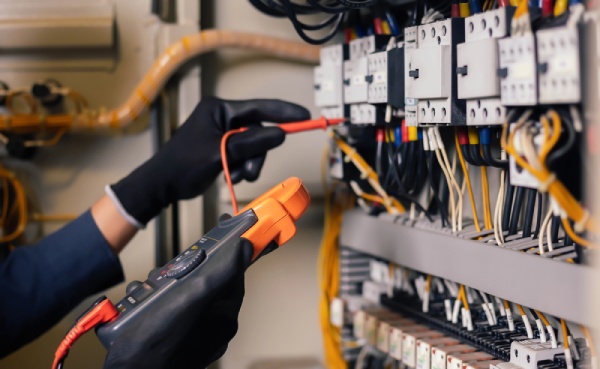
Many homeowners hear both terms and assume they mean the same thing, but the differences between electrician and electrical contractor can be significant.
Who actually performs the work? Who manages the project? And who carries legal responsibility when something goes wrong?
Before engaging any provider, including experienced teams like Sydney Expert Electrician, it is worth unpacking what each role truly involves.
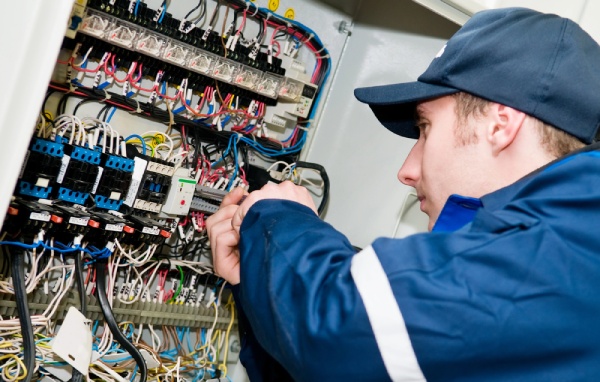
In day-to-day projects, an electrician is the licensed tradesperson who performs the technical work.
Meanwhile, an electrical contractor is the licensed business that quotes, contracts, and carries legal responsibility for that work.
Both roles are licensed, though structured differently under Australian regulations.
| Category | Electrician | Electrical Contractor |
| Professional Status | A licensed individual (A-Grade / Unrestricted) who completed apprenticeship training and holds a personal electrical licence. | A licensed business entity (sole trader or company) holding a Contractor’s Licence, with nominated Qualified Technical and Business Persons. |
| Scope of Work | Works as an employee or subcontractor under a contractor. Their work covers wiring installations, testing, repairs, and identifying faults in the system. | Legally permitted to quote, advertise, contract, and invoice for electrical services. Manages projects and engages electricians. |
| Legal Responsibility | Responsible for workmanship to their employer. | Holds the client contract and full legal responsibility for safety, quality, and compliance. Must carry required public liability insurance. |
| Compliance Documentation | Signs off on completed work to certify technical safety. | Ensures compliance certificates are issued and lodged with the relevant authority and provided to the client. |
With that overview in mind, let’s take a closer look at the electrician’s role.

An electrician is a licensed tradesperson who installs, maintains, and repairs electrical systems in homes, commercial premises, and industrial facilities.
In Australia, an A-Grade electrician completes a four-year apprenticeship and passes the Capstone Test to gain a personal practitioner’s licence.
On site, their responsibilities typically include:
As a result, electricians work directly with cables, equipment, and live systems, following wiring diagrams and technical drawings to complete each job safely.
Although they carry out the hands-on work, they operate under the authority of a licensed electrical contractor when it comes to quoting, invoicing, and legally contracting projects.
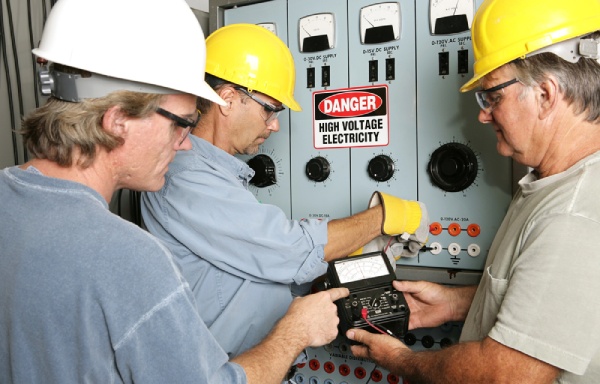
So, where does an electrical contractor fit into all this?
An electrical contractor is a licensed business entity or sole trader legally authorised to quote, invoice, and contract electrical work. They oversee the full project lifecycle, from planning and staffing to compliance certification.
When clients book large-scale wiring projects or switchboard upgrade services, the contract sits with the electrical contractor, not the individual tradesperson on site.
To understand their scope more clearly, here are the key aspects of an electrical contractor’s role:
Put simply, electricians carry out the hands-on electrical work, while the electrical contractor holds the licence and takes charge of the project’s legal accountability.
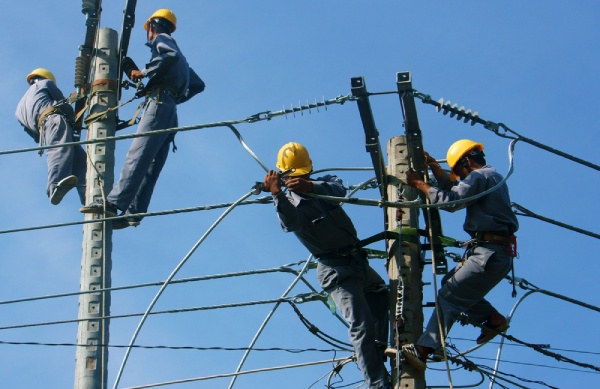
The terms electrician and electrical contractor get used interchangeably across Sydney and NSW, though the legal meaning under the Home Building Act 1989 draws a clear line between the two.
Here’s a breakdown of how their responsibilities differ.
Electricians commonly work as employees or subcontractors within a licensed company. They complete work under the supervision of a contractor who holds the trading licence.
On the other hand, electrical contractors hire and manage teams of electricians and apprentices. They allocate tasks, supervise workmanship, and carry accountability for safety standards across the entire project.
Only a licensed electrical contractor can legally enter into a contract with a homeowner for electrical wiring work in NSW. The contractor’s licence number must be displayed on quotes, invoices, vehicles, and promotional materials.
An electrician with only a Qualified Supervisor Certificate may perform or supervise technical work, though they cannot independently contract with a client under their own name.
Electricians handle the technical execution of electrical work. From running cables through walls to repairing damaged circuits, their responsibility centres on correct installation and safe operation.
If a client calls because the safety switch keeps tripping, the electrician investigates the load, insulation, or appliance issue and rectifies the problem.
Electrical contractors manage the project framework around that work. This includes scheduling labour, reviewing safety procedures, confirming regulatory compliance, and finalising documentation after completion.
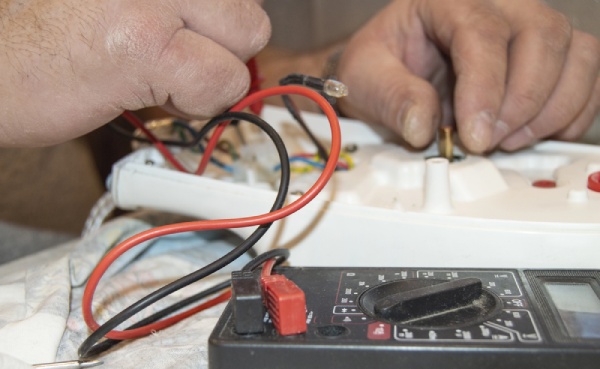
Under the NSW Home Building Act 1989, you cannot legally hire an individual for electrical work unless they hold a Contractor Licence.
That means the real decision is choosing the right type of contractor for the scale and complexity of your job.
Here’s how to decide based on your situation:
A local electrician who holds both a Qualified Supervisor Certificate and an individual contractor licence suits smaller, contained jobs.
Think along the lines of:
These jobs require licensed technical skill on site, not a full project team. The scope remains limited, timelines are short, and coordination is minimal.
In contrast, bigger projects call for structured oversight and multiple technicians.
For example:
A larger firm can deploy a team to complete rough-in wiring across an entire property within a tight timeframe. Such a level of manpower suits construction schedules and multi-trade coordination.
Certain technical requirements also demand a properly accredited company.
Level 2 ASP work, such as upgrading your point of attachment to the Sydney electricity network (for Ausgrid or Endeavour Energy customers), requires specific authorisation that larger firms typically maintain.
Here are the answers to common questions about electricians versus electrical contractors:
Unlicensed electrical work in Australia is illegal. Individuals face fines from $3,000 up to $100,000, and corporations up to $110,000. In serious injury cases, penalties may reach $600,000 plus imprisonment.
DIY wiring or modifications can also void home insurance. Without a valid contractor licence and compliance certificate, both legal and financial risks escalate quickly.
Yes. Australian regulations require a licensed electrician for ceiling fan, light, and power point installation. These jobs connect to fixed wiring governed by AS/NZS 3000 standards.
Reviewing a ceiling fan installation safety guide provides useful background, though certified installation must sit under a licensed contractor.
For compliant work, contact our licensed electricians to arrange proper installation
A good contractor holds a valid state licence and public liability insurance. They also issue formal compliance certificates after completing the job.
Furthermore, membership with Master Electricians Australia reflects adherence to recognised industry standards.
Electrical work in NSW comes with legal requirements, and understanding the differences between electrician and electrical contractor helps you hire the right professional.
Need reliable advice or qualified hands on your next job? Call Sydney Expert Electrician and get it sorted with the right team!
What our customers in Sydney say about us
Marcie McConville

David and Luca started working as soon as they checked what work needed to be done. They were hard working, very professional and delightful young men. I am very happy with the work that was done and highly recommend them.
David Coorey
Best electricians i have ever dealt with, well presented, knowledgeable found and fix our fault in a timely manner and at an extremely reasonable price.
Zaryab khan
With more than ten years of expertise, dependable and effective. Consumers value their competitive pricing and timely, amiable service.