


Fast, Same Day Response


Fast, Same Day Response



Knowing how to identify a blown fuse is essential for maintaining electrical safety in your home.
In this guide, we will explain how to identify the signs of a blown fuse, what usually causes it, and how to fix it safely. We’ll also share professional advice on when it’s best to call a licensed electrician.
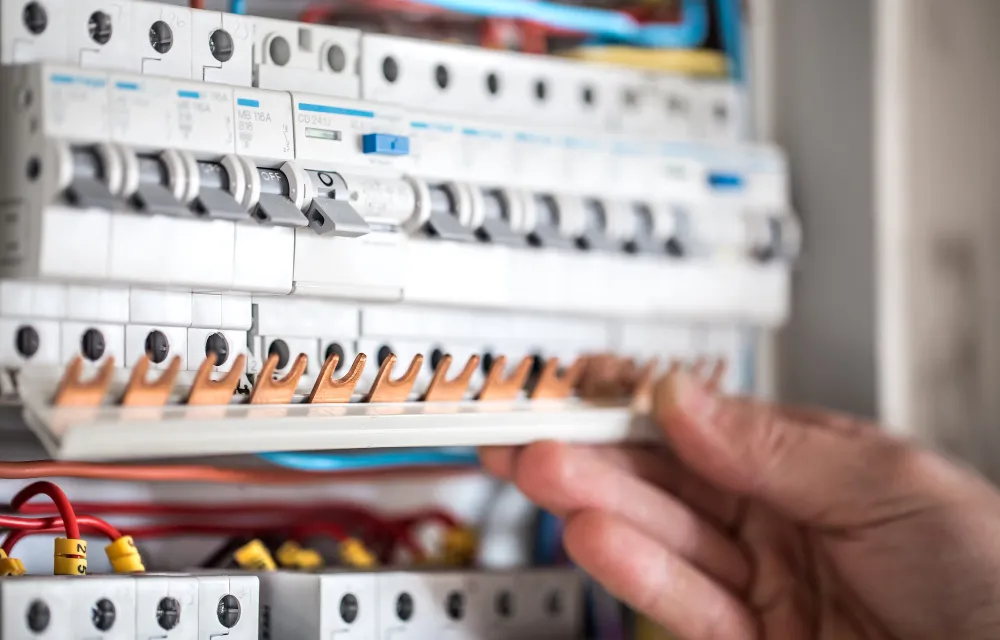
A fuse is a safety device designed to protect against excessive current flow. Its role is to prevent appliances, wiring, and circuits from being damaged by overloads or faults.
When too much current flows through a circuit, the fuse can melt or “blow”, cutting off the electricity supply. This stops overheating and reduces the risk of fire or serious electrical damage. Therefore, a fuse is the main defence against potential electrical hazards.
Older homes typically use fuse boxes, while most modern homes use circuit breakers, which perform the same protective function.
Basically, there are three types of fuses, which are:
Noticing these signs can help you take action quickly and safely. Here’s how to tell if a fuse is blown:
It is the easiest way to detect the blown fuse. If the power goes out in only one room or section of the house, rather than the entire property, a blown fuse or tripped circuit is the likely cause.
Please also check your appliances. When an appliance suddenly stops working and won’t turn back on, it may be connected to a circuit with a blown fuse. Other lights or power points on the same circuit may also be affected.
In homes with circuit breaker boxes, a tripped circuit breaker serves the same purpose as a blown fuse. You can usually identify it by checking the switchboard for a breaker that has moved to the off position.
The blown fuse sometimes produces a bad smell similar to burnt wiring or plastic. If you notice this odour, check your switchboard immediately and avoid using the affected circuit.
If a fuse blows or a circuit breaker trips repeatedly, this indicates an underlying issue. Common causes include overloaded circuits, faulty wiring, or incorrect fuse ratings.
Basically, there are three main causes of a blown fuse. Understanding why a fuse blows can help prevent the problem from happening again.
An overloaded circuit occurs when too many devices or appliances draw power from the same circuit at the same time. The fuse blows to protect the wiring from overheating.
A short circuit occurs when electricity flows through an unintended path, often due to damaged wiring. This causes a sudden spike in current, triggering the fuse to blow.
Unlike a short circuit, the ground fault occurs when a live wire comes into contact with a grounded surface.This is more common in areas with moisture, such as kitchens, bathrooms, and laundries.
Dealing with a blown fuse can be stressful, but following the correct steps helps keep you safe.
Always turn off the main power supply before inspecting or replacing a fuse. This reduces the risk of electric shock.
Fuse boxes or switchboards are commonly located in garages, laundries, hallways, or outside the home behind a metal panel.
Check the fuses carefully for visible signs of damage:
Once you’ve identified the faulty fuse, remove it by unscrewing it counterclockwise or carefully pulling it out. A fuse puller can provide extra safety and control during removal.
Before installing a new fuse, ensure:
Turn the main power back on and check whether the affected circuit or appliance is working properly. If the fuse blows again, stop using the circuit and contact a licensed electrician.
Electrical safety should never be compromised. While replacing a blown fuse can sometimes be handled safely, recurring issues or uncertainty should always be left to professionals.
Sydney Expert Electricians provide reliable electrical services across Sydney. Our licensed electricians are available 24/7 to diagnose and fix electrical faults safely and efficiently.
In addition to repairs, we offer preventative maintenance to ensure your electrical system remains safe and compliant. We also carry quality replacement components for long-term reliability.
Let’s clear your curiosity by reading the FAQ below:
A blown fuse often looks darkened, burnt, or cloudy. Plug fuses may have a visibly broken filament, while cartridge fuses can appear charred.
You can look for signs such as:
A fuse can last indefinitely if it never blows. However, older fuse systems may deteriorate over time and are often replaced during electrical upgrades.
A blown fuse is commonly indicated by localised power outages, non-working appliances, tripped breakers, burning smells, or repeated failures.
If you notice these signs, act safely by turning off the power, locating the switchboard, and replacing the faulty fuse with the correct type.
When in doubt, contact Sydney Expert Electricians for professional support to keep your home safe.
What our customers in Sydney say about us
Marcie McConville

David and Luca started working as soon as they checked what work needed to be done. They were hard working, very professional and delightful young men. I am very happy with the work that was done and highly recommend them.
David Coorey
Best electricians i have ever dealt with, well presented, knowledgeable found and fix our fault in a timely manner and at an extremely reasonable price.
Zaryab khan
With more than ten years of expertise, dependable and effective. Consumers value their competitive pricing and timely, amiable service.