


Fast, Same Day Response


Fast, Same Day Response



Electricity quietly supports your daily life. Lights turn on, appliances run, and comfort feels effortless.
However, when something goes wrong, confusion quickly follows. Learning the differences between volts and amps helps remove that confusion. It also gives you confidence when facing electrical concerns.
Therefore, Sydney Experts Electricians will guide you to understand the differences, why they matter, and how they affect your daily electrical safety.
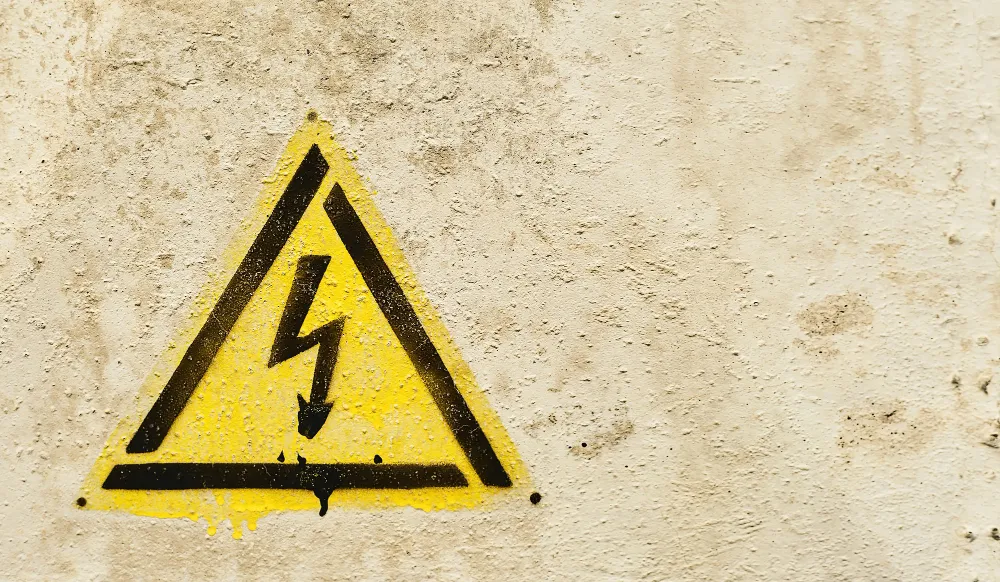
To understand electricity, you can start with voltage. Voltage explains why electricity moves in the first place. Without it, nothing would flow.
A helpful way to imagine voltage is water pressure in a hose. When pressure increases, water flows faster and reaches further. Electricity behaves similarly.
In Australian homes, voltage is carefully regulated to suit daily electrical needs. This allows appliances to operate smoothly and consistently.
When the voltage drops below normal levels, small issues may appear. Lights can dim, and appliances may struggle to perform properly.
Vice versa, when the voltage rises too high, the impact is often quieter. Appliances may continue working, but internal components wear out faster over time.
These signs often seem minor at first. However, they can indicate an underlying electrical imbalance.
This is why stable voltage matters. Consistency supports safety, protects appliances, and keeps electrical systems predictable.
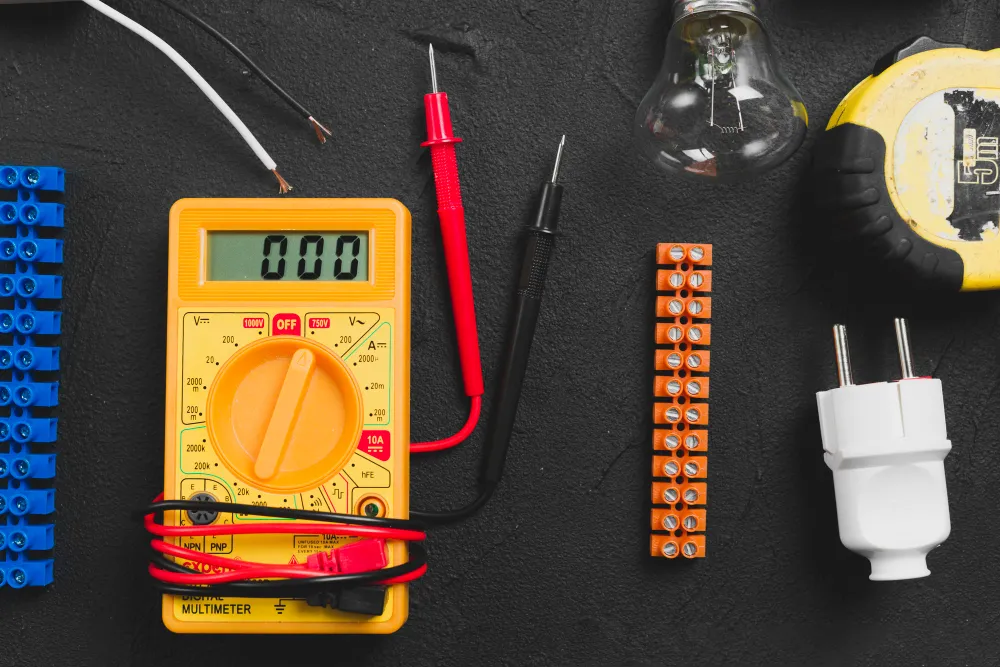
While voltage explains the push, amps explain the movement. An amp measures how much electricity flows through a circuit at any given moment.
If voltage sets electricity in motion, amps show how much it responds to that force. Both must work together for appliances to function properly.
Different appliances require different levels of electrical flow. A phone charger uses very little, while a heater demands much more.
Moreover, as the current increases, the electrical wiring works harder. Heat begins to build, especially when demand stays high for long periods.
Therefore, Australian homes include safety devices to manage this risk. Circuit breakers and safety switches step in when current exceeds safe limits.
This is also why power boards have clear limits. Plugging in too many devices increases demand across the entire system.
Understanding amps makes these limits easier to respect. It explains why careful power use protects both wiring and appliances.
Volts and amps work together, but they serve different purposes. One pushes electricity, while the other shows how much is moving.
Understanding their differences helps explain why some appliances use more power than others. It also explains why electrical systems must stay balanced.
Below are key points that clearly explain how volts and amps differ in everyday use.
Voltage provides the force that drives electricity through a circuit. Without it, electricity would not move at all.
Current shows the amount of electricity flowing because of that force. Both must stay within safe limits. If either becomes excessive, electrical problems can occur.
Resistance slows down electrical flow. It works much like a narrow pipe restricting water movement.
Higher resistance means less current flows, even when the voltage stays the same. This relationship protects appliances and helps prevent overheating in household wiring.
Voltage sets the direction electricity wants to travel. It creates a clear path through wires and devices.
Current follows this path as electricity moves to power appliances and returns safely through the system. When this flow becomes uncontrolled, problems such as a short circuit may occur.
Different appliances require different levels of voltage and current. A phone charger needs far less than an oven.
Supplying the wrong balance can shorten appliance lifespan. In some cases, it can cause immediate failure. This is why electrical standards are so important in Australian homes.
Both volts and amps affect electrical safety. High voltage increases shock risk, while high current increases heat risk.
When systems fail, these imbalances may contribute to a short circuit, which can quickly become dangerous. Therefore, safety switches are designed to detect these problems early and cut power immediately.
Understanding volts and amps helps you notice early changes. Flickering lights or frequent power trips often signal an imbalance.
This awareness then improves everyday decision-making. You become more careful about power use and appliance placement.
It also explains why certain devices should not share the same outlet. Too much demand can put unnecessary strain on your electrical system.
Moreover, a clear understanding supports better communication with electricians. Describing what you observe helps professionals diagnose issues faster, which leads to proper solutions.
Most importantly, knowledge improves safety. Ignoring an imbalance may eventually contribute to several faults that may trigger serious hazards.
Electrical questions are common among homeowners. Clear answers help remove fear and prevent misunderstandings. Below are simple explanations based on everyday household situations.
Volts push electricity through a system, while amps show the amount of moving electricity. Both work together to power appliances safely and efficiently.
Volts and amps measure different things. One cannot be directly converted into the other. They are connected through electrical behaviour, but each has a separate role within a circuit.
Neither is better on its own. Electrical systems rely on balance, not extremes. Excessive amounts of both can damage appliances or trigger serious hazards.
Electricity may feel complex, but its core ideas are surprisingly simple. Volts measure the electrical pressure, while amps measure the electrical current flow.
Therefore, learning the differences between volts and amps helps you spot issues early and avoid unnecessary risks.
Nevertheless, when electrical concerns arise, you can seek professional advice from Sydney Experts Electricians. Our licensed technicians will deliver end-to-end service, starting from defining the issue to fixing your electrical concerns.
What our customers in Sydney say about us
Marcie McConville

David and Luca started working as soon as they checked what work needed to be done. They were hard working, very professional and delightful young men. I am very happy with the work that was done and highly recommend them.
David Coorey
Best electricians i have ever dealt with, well presented, knowledgeable found and fix our fault in a timely manner and at an extremely reasonable price.
Zaryab khan
With more than ten years of expertise, dependable and effective. Consumers value their competitive pricing and timely, amiable service.