


Fast, Same Day Response


Fast, Same Day Response



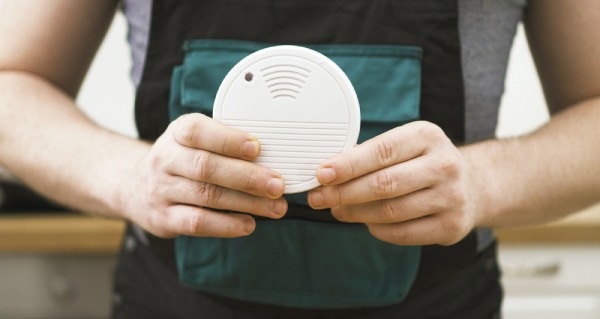
We know, the moment a smoke alarm starts blaring, it’s absolutely overwhelming.
Every beep raises a new worry: is the battery low, is dust causing the alert, or is it something more serious?
Which is why Sydney Expert Electricians will help you decode the common causes and explain simple checks you need to do to keep your home protected. So, let’s explore what might be behind that relentless sound!
Before assuming the worst, it helps to know that smoke alarms beep for specific reasons. Let’s break down the most common causes behind that noise.
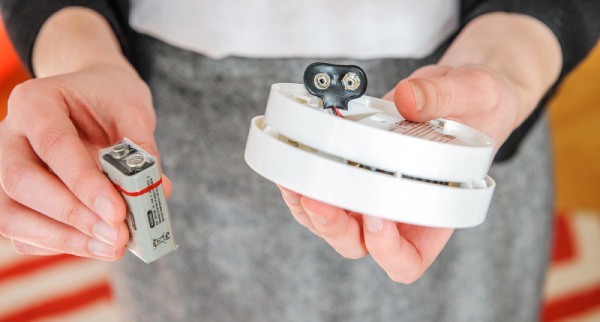
A single beep every 30 seconds usually indicates low battery voltage. Even a recently replaced battery can trigger alerts when the charge level drops faster than expected or the terminals sit loosely.
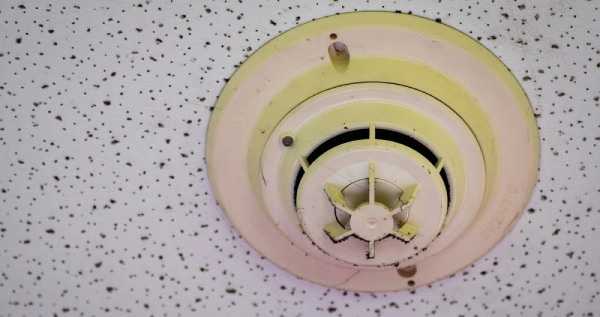
Dust inside the sensing chamber can confuse the alarm and trigger repeated beeping.
Over time, debris settles in places that are hard to see but easy to disturb the sensor. So, try to gently clean it using compressed air or a soft brush to restore proper operation.
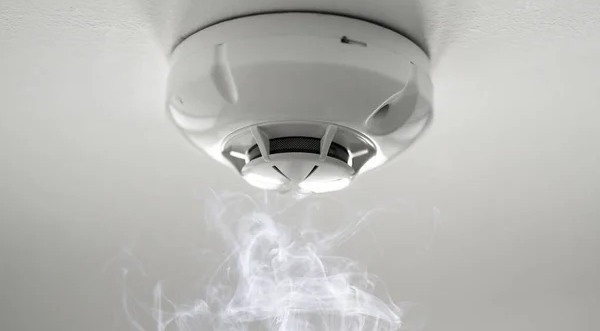
Units installed near kitchens or bathrooms can react to heat buildup or steam particles, which disrupt the sensor calibration.
If this is the case, you might spot a pattern where the beeping lines up with cooking sessions or hot showers.
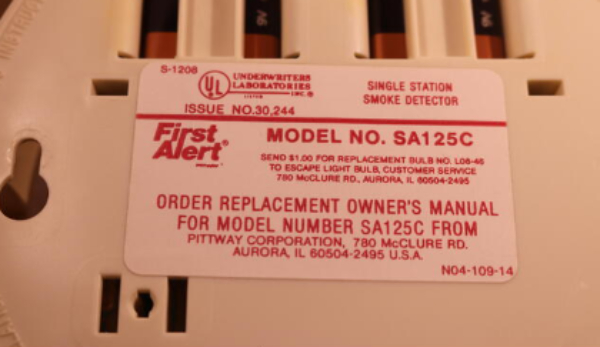
Smoke alarms also have an expiration date, usually around eight to ten years. As that limit approaches, the unit beeps to signal replacement time.
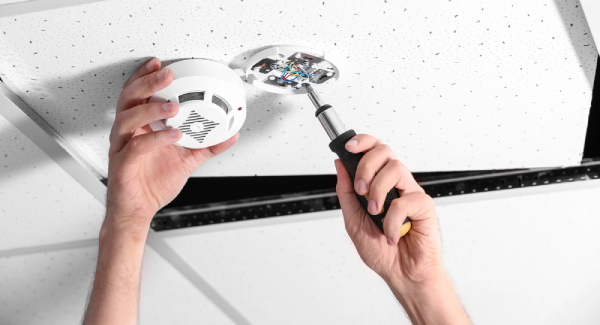
Hardwired smoke alarms connect directly to the electrical circuit, which introduces additional variables.
Power surges, loose wiring, or electrical interference can trigger repeated beeping. In situations like these, a safety inspection from professionals such as Sydney Expert Electricians helps identify the underlying issue.
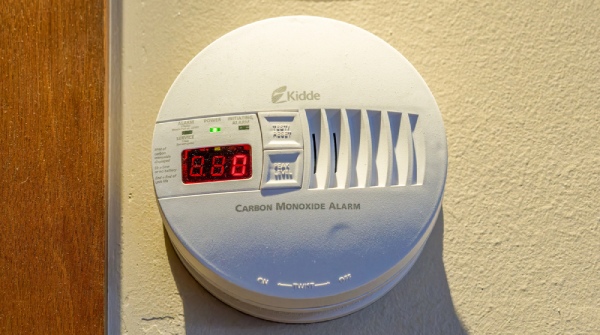
Carbon monoxide cannot be seen or smelled, yet it poses serious danger. Faulty gas or oil appliances, fireplaces, or even a car running in the garage can release CO inside a home.
A temporal four pattern, four loud beeps followed by a pause, might be a reaction to carbon monoxide on combination smoke and CO units. When you hear that pattern, immediately open the windows, go outside, and contact emergency services.
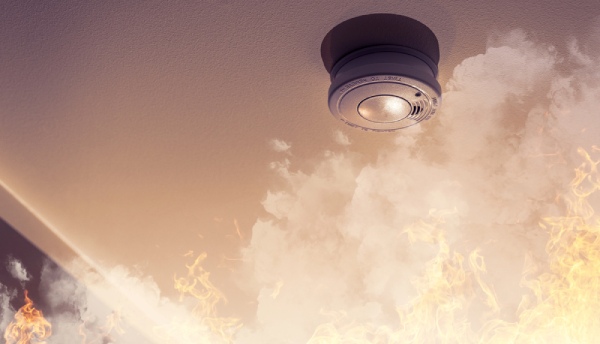
Three beeps in a row signal smoke or fire detection.
Even when you suspect a false alert, leaving the house and calling emergency services remains the safest choice. Acting quickly protects you, your family, and your property from unnecessary risk.
If your smoke alarm won’t stop beeping, it’s signaling that it needs maintenance. Let’s take a look at what you can do to fix it.
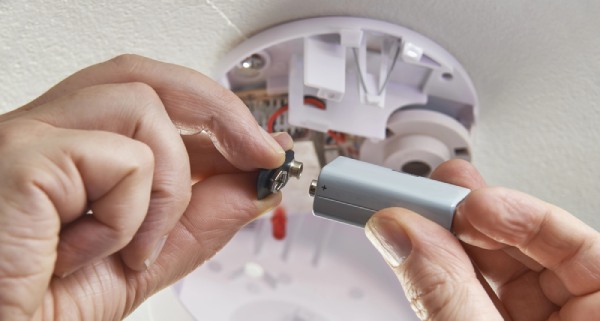
Begin with the battery, even when it looks new. Remove it fully, check the type printed inside the alarm, and insert the exact match.
Make sure the battery drawer closes completely so the terminals connect properly. A partially closed compartment can keep the alarm chirping even with fresh power.
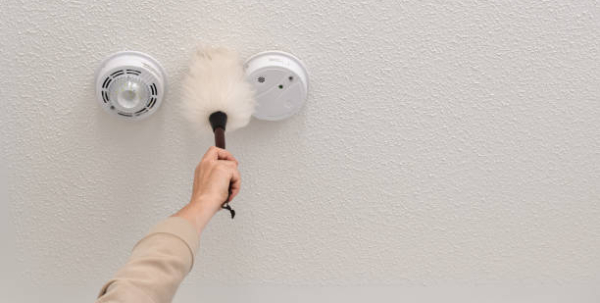
Turn off the power, remove the alarm head, then gently vacuum the openings using a soft brush attachment.
Additionally, compressed air also works well for clearing tight spaces. After reinstalling the unit, give it a moment to reset and see whether the beeping stops.
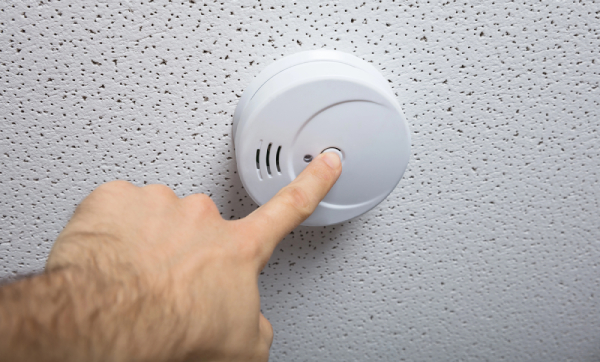
Electrical irregularities sometimes confuse hardwired alarms. A reset will clear residual charge that keeps the unit alerting.
A quick solution: try switching off the breaker connected to the alarm circuit, wait briefly, then restore power.
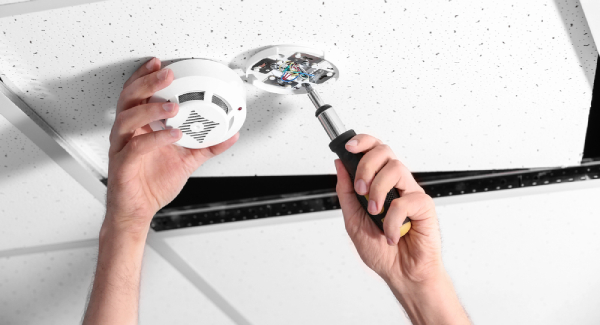
Sometimes the alarm head twists slightly out of alignment. Remove it and place it back onto the base, turning until it locks securely.
For hardwired models, also check that the wiring connector sits firmly in place. A loose connection can cause intermittent beeping that appears random.
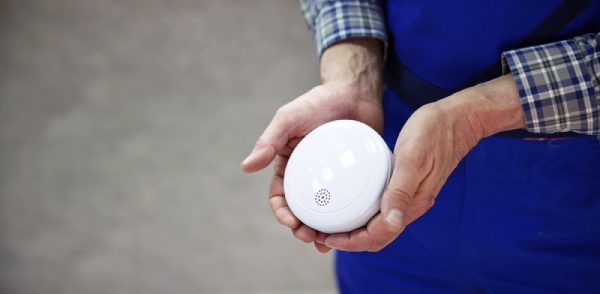
Age triggers built in alerts that no battery swap can silence. To check the date, flip the unit over and look at the codes printed on the back.
In such a situation where the alarm is expired, we’d say replacement is the safest option, even when the alarm still reacts normally during tests.
At this point, calling a licensed electrician will be the smart next move.
The good news: Sydney Expert Electricians offer a dedicated smoke alarm maintenance service that addresses the problem thoroughly, including safety checks and long term compliance.
Here is what our professional support includes:
Therefore, when troubleshooting yourself drags on, just call Sydney Expert Electricians and let smoke alarm maintenance get sorted without the headache.
Here are the most common questions homeowners ask about smoke alarm beeping sounds:
A single beep every 30 seconds points to a low backup battery, even on hardwired alarms.
In other cases, dust inside the sensor can trigger the warning. Alarm age also factors in, since units close to eight to ten years use beeping as an end-of-life alert.
Yes, unplugging a hardwired smoke alarm works like removing a light fixture.
Power should be switched off first because of the high voltage wiring. That being said, unplugging works as a short term solution until a replacement or repair takes place.
No, beeping can continue even after unplugging because hardwired alarms rely on backup batteries.
Interconnected alarms or residual power in the circuit can keep the alert active. Removing backup batteries from every alarm and resetting the breaker usually clears the sound before reinstalling or replacing units.
A smoke alarm that keeps beeping rarely happens without reason. Battery issues, dust buildup, aging units, or wiring faults all point to checks worth taking seriously.
If you prefer a fast, professional check instead of guessing, Sydney Expert Electricians are ready to take a closer look and assess the issue properly for you!
What our customers in Sydney say about us
Marcie McConville

David and Luca started working as soon as they checked what work needed to be done. They were hard working, very professional and delightful young men. I am very happy with the work that was done and highly recommend them.
David Coorey
Best electricians i have ever dealt with, well presented, knowledgeable found and fix our fault in a timely manner and at an extremely reasonable price.
Zaryab khan
With more than ten years of expertise, dependable and effective. Consumers value their competitive pricing and timely, amiable service.