


Fast, Same Day Response


Fast, Same Day Response



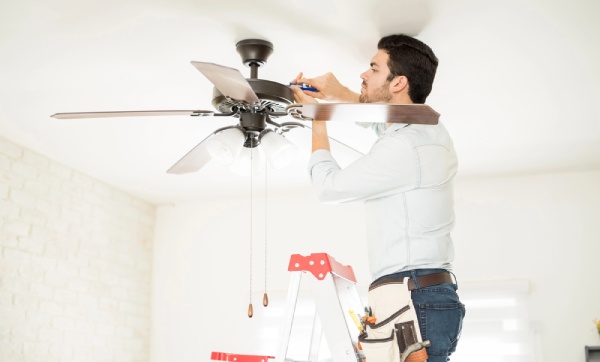
Many homeowners reach a point where DIY feels tempting, especially with something as familiar as a ceiling fan. Electrical work, however, follows strict rules for a reason.
With that in mind, Sydney Expert Electrician explains how to install a ceiling fan properly, keeping things practical, safe, and legally sound. So, let’s walk through what you need to know.
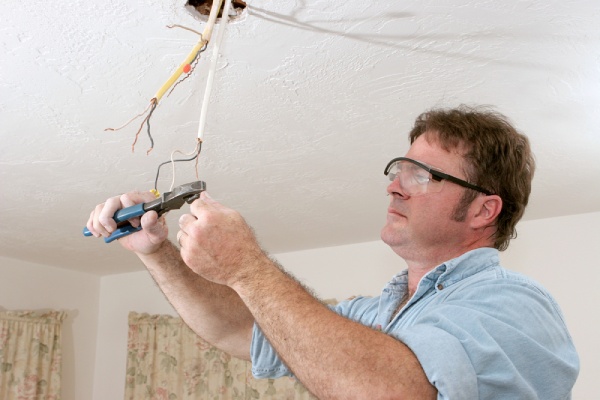
Okay, short answer first: No.
Australian law draws a clear line around electrical work, and ceiling fan installation sits firmly on the licensed side of it.
We understand, though. DIY temptation makes sense when a fan looks simple on the surface. Wiring, load ratings, and compliance standards tell a different story, especially when electrical fire risks enter the equation.
Unlicensed work raises the chance of faults that can damage wiring, ceilings, or connected circuits. Thus, Australian states and territories require a registered electrical contractor for installations, and skipping that step can lead to fines or voided home insurance.
Safety regulators even label ceiling fan installation as Don’t Do It Yourself (DDIY), reinforcing why licensed electricians follow strict standards and issue compliance paperwork that keeps homes protected.
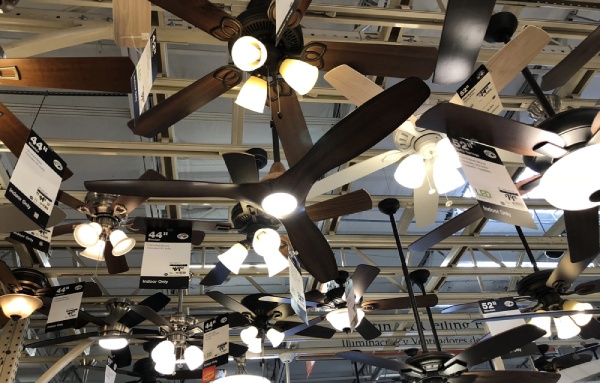
A little prep goes a long way before the electrician arrives. Before booking the work, take a moment to run through these practical steps:
Once these basics are sorted, the electrician can focus on compliant wiring, solid mounting, and final testing, so everything comes together the right way.
At Sydney Expert Electricians, here’s how to install a ceiling fan safely and in full compliance:
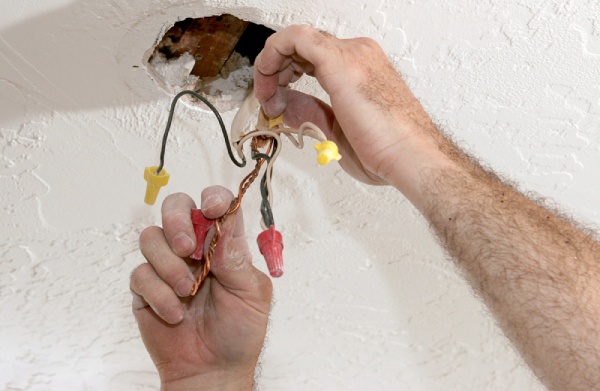
First, power is isolated at the switchboard before any work begins.
Existing light fittings or old fans are then removed carefully, while wiring gets checked for wear, loose connections, or signs of previous non-compliant work.
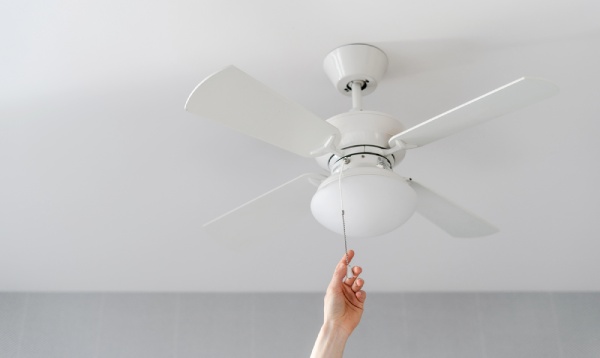
With the area cleared, wiring connections are completed to suit the selected control setup. Wall switches, remote systems, or combination controls are installed and tested to ensure responsive operation.
All connections follow Australian electrical standards, which supports reliable performance over time.
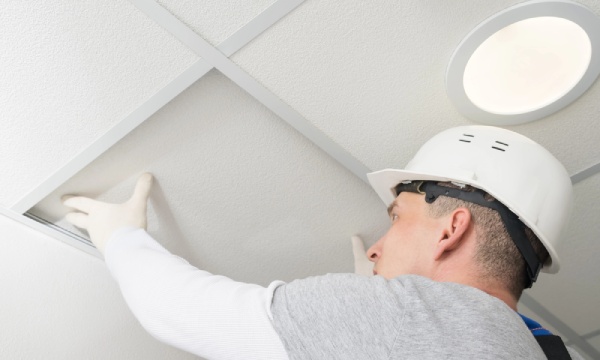
Mounting hardware is fitted based on ceiling height and structural conditions. Electricians confirm blade clearance meets AS NZS 60335.2.80 requirements, including the minimum 2.1 metre height from the floor.
Flush mounts or extension rods are chosen after considering ceiling height, which is especially important in many Sydney homes.

Once installed, blade alignment and bracket tension are adjusted to minimise vibration and noise.
As a result, proper balancing reduces long-term strain on the motor and mounting points.
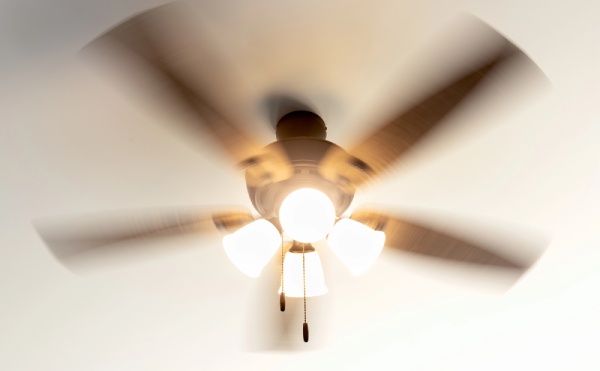
Finally, all speeds, lighting functions, and controls are tested to confirm correct operation.
At this stage, guidance is shared on daily use, and future upgrades or repairs can be arranged when you contact our licensed electricians.
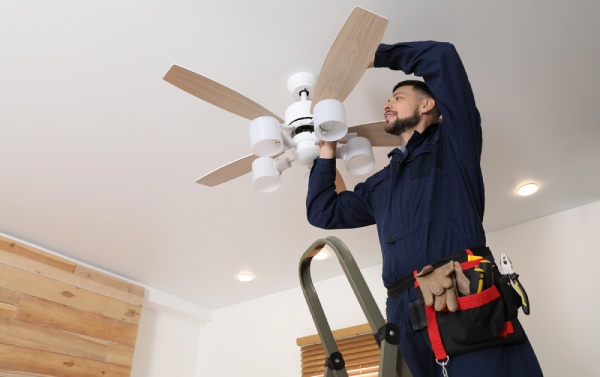
Installing a ceiling fan involves safety factors that deserve attention before anything else. So, let’s go over the practical reasons installation needs careful handling.
There it is, now you know how ceiling fan installation involves more than surface-level fitting.
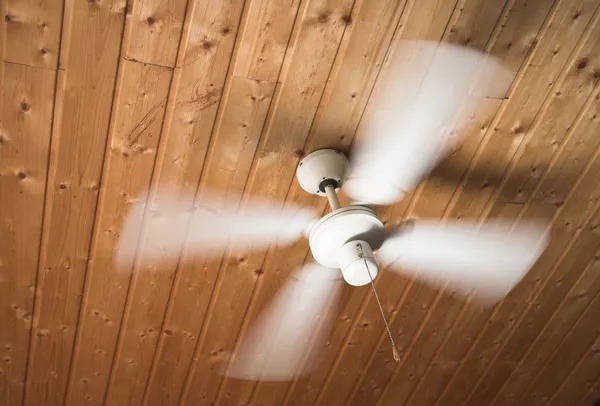
Ceiling fans rarely fail overnight, but they do send clear hints when something needs attention. Check out these warning signs:
As you can tell, spotting a few warning signs can save you from bigger problems down the line.
Let’s clear up some common questions about ceiling fan installation so you know what to expect.
A standard ceiling fan installation usually takes around 1 to 2 hours. However, more complex setups, like high ceilings or additional wiring, may take longer.
Modern ceiling fans can come with lights or remotes, which means your wall switch might need a little upgrade. Some fans work with a double switch, while others need a receiver for remote control.
Getting a professional to handle the installation makes sure all the wiring and controls match your fan perfectly and work safely.
Yes. But it depends on the wiring, ceiling support, and safety considerations. Replacing a standard light fitting, especially recessed lighting, requires careful planning to prevent heat build-up or fire hazards.
Professional lighting installation by electricians, like Sydney Expert Electricians, ensures all clearances, insulation, and safety standards are met.
Proper ceiling fan installation keeps your home safe, quiet, and comfortable, while preventing electrical or structural issues.
When you want the job done right, call Sydney Expert Electrician for expert advice, safe installation, and peace of mind in every room!
What our customers in Sydney say about us
Marcie McConville

David and Luca started working as soon as they checked what work needed to be done. They were hard working, very professional and delightful young men. I am very happy with the work that was done and highly recommend them.
David Coorey
Best electricians i have ever dealt with, well presented, knowledgeable found and fix our fault in a timely manner and at an extremely reasonable price.
Zaryab khan
With more than ten years of expertise, dependable and effective. Consumers value their competitive pricing and timely, amiable service.