


Fast, Same Day Response


Fast, Same Day Response



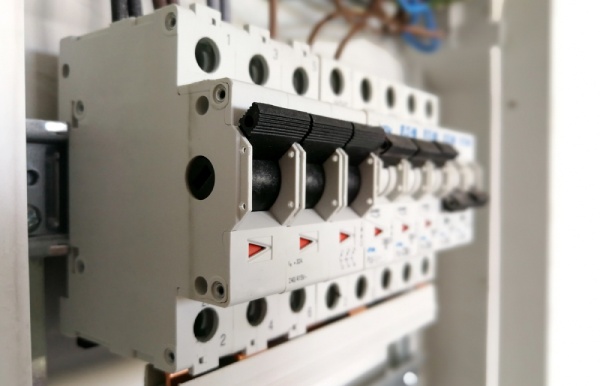
It’s normal to reset a safety switch once and expect power to hold. However, repeated trips suggest a deeper electrical issue worth checking.
Today, our team at Sydney Expert Electrician will break down why safety switches trip, which steps suit homeowners, and where licensed testing fits in.
With that in mind, let’s jump right in.
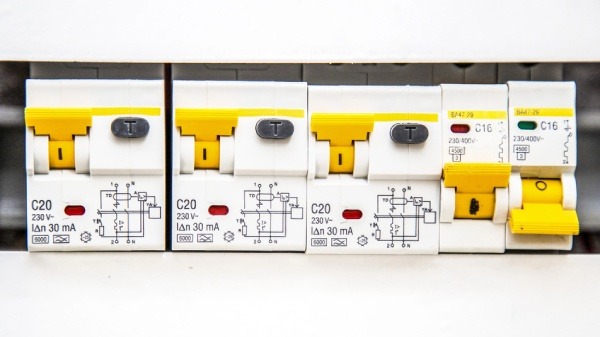
A safety switch, also called an RCD or residual current device, monitors how electricity moves through a circuit.
Power leaking outside its intended path, such as through damaged wiring or a faulty appliance, triggers an instant shutdown. And that quick cut can reduce the risk of electric shock and serious injury.
That said, safety switches and circuit breakers handle different problems. Circuit breakers respond to overloads or abnormal current levels.
Safety switches respond to imbalance between active and neutral. Such distinction explains why power can trip even when nothing looks overloaded.
You’ll come across a few common types in homes and worksites:
Now, why does tripping happen? Well, a shutdown points to leakage somewhere along the circuit.
Moisture near outlets, worn appliance cords, or internal faults under load can all trigger that response. Don’t worry, we’ll talk about the causes in more detail later.
In many cases, repeated trips line up with short circuit warning signs that surface only once the circuit is under pressure.
Put simply, the switch reacts to risk, not inconvenience. That pattern explains why ongoing trips call for closer inspection before another reset.
Once testing confirms broader issues within the system, though, the next step may involve switchboard upgrade & safety switch installation to strengthen protection across the property.
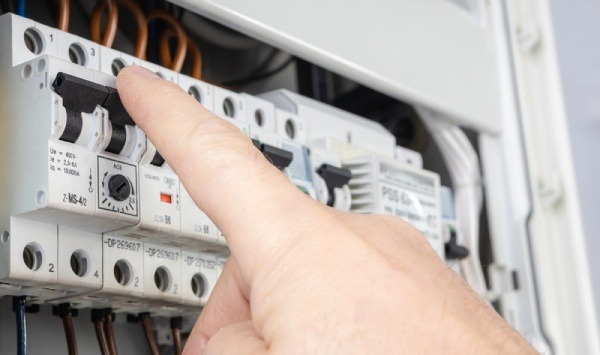
To get straight to the point, resetting an RCD only suits situations where the cause is fully resolved.
Repeated trips or strange symptoms may point to deeper issues inside the circuit, so red flags deserve attention before touching the switch again.
A burning smell, visible sparks, smoke, or buzzing sounds point to active faults inside wiring or components.
Of course, these electrical fire smell risks call for power isolation at the main switch and a licensed electrician on site.
Even so, repeated tripping deserves restraint. Forcing the switch back on can stress wiring, overheat connections, and escalate faults that already exist.
When a safety switch keeps tripping, the goal is to narrow down the cause without pushing the system further than it should go. So, let’s get practical here.
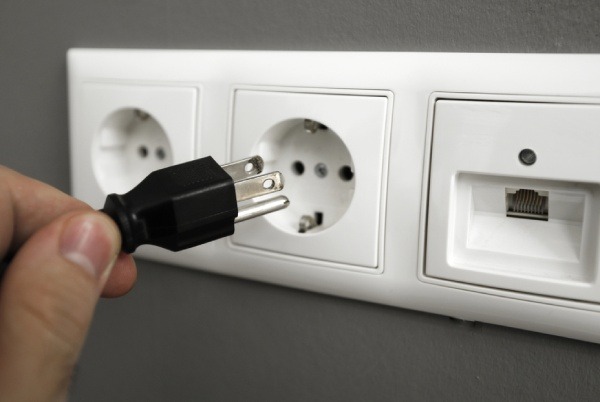
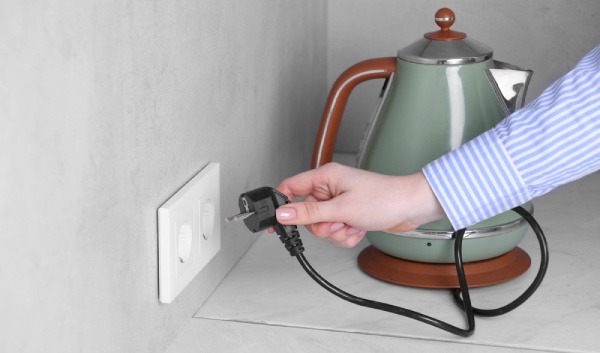
Head to the affected area and unplug every appliance, charger, and device from the power points.
Switching items off at the wall does not remove them from the circuit. This step clears the load completely and sets a clean baseline for testing.
After everything is unplugged, head back to the switchboard. It will create the right conditions for checking how the circuit behaves without external strain.
This is the moment where you must apply our how to reset a safety switch guide correctly.
Start by flipping the tripped switch fully off, then back on. Power restoration at this stage suggests the fault sits downstream rather than inside the switch itself.
After power returns, plug devices back in one by one. Give each item a moment before moving to the next.
A trip that happens immediately after connecting a specific appliance points straight to the culprit, and that appliance needs repair or replacement before further use.
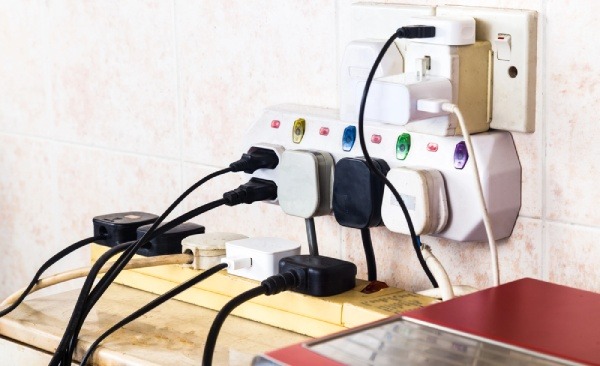
If the switch trips only when several high wattage appliances run at the same time, the circuit may be under strain.
Heaters, kettles, toasters, and similar equipment draw heavy current when paired together. Spreading usage across different outlets or circuits can confirm whether load, not damage, triggered the shutdown.
Below are the most common triggers worth knowing, especially before booking experts for electrical safety checks.
Seen this way, a tripping safety switch points to a condition worth investigating, not a random annoyance. Identifying which category fits your situation will make the next step factionable.
A safety switch that trips immediately after a reset, even with nothing connected, indicates a fault within the circuit itself. Add in trips that happen more frequently over time.
Moreover, heat or burning smells around the switchboard or outlets require caution and professional assessment.
In these cases, you can contact our licensed electricians to trace the fault accurately and restore safe operation without guesswork.
RCD issues can disrupt your home, so let’s dive into ways to prevent them.
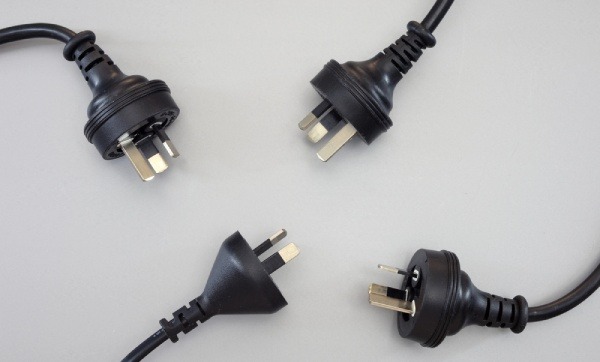
High-draw appliances such as fabric steamer and microwave work best when shared across different circuits.
Running several heavy loads on one line increases strain and raises the chance of another trip.
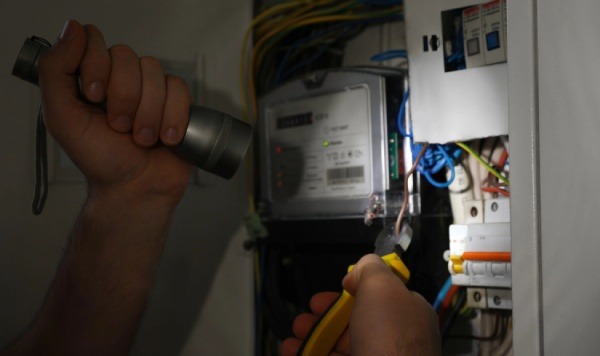
Damaged cords, cracked plugs, or long-term extension lead use can introduce leakage under load. A quick visual check before use reduces risk, especially for older appliances.
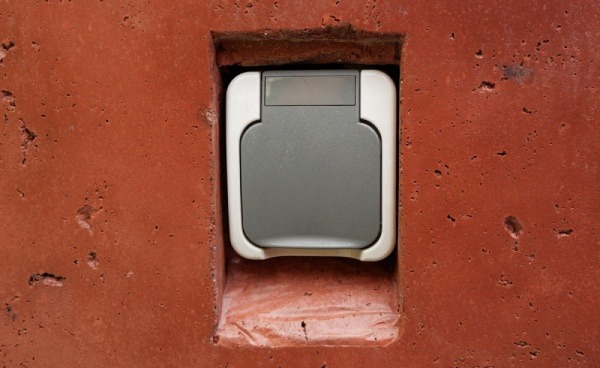
For outdoor outlets, weatherproof covers guard against rain and sprinkler spray.
Meanwhile, power points near sinks, washing machines, or laundry tubs need similar care, since even minor splashes can trigger leakage once appliances run.
Let’s tackle the questions you might have about why RCDs keep tripping.
Yes. Rainwater can reach outdoor power points, light fittings, or underground cabling, especially where seals or covers have aged. Once moisture creates leakage along the circuit, the safety switch cuts power as designed.
A simple isolation check usually narrows it down.
Unplug everything on the affected circuit, reset the switch, then reconnect appliances one at a time. A trip that happens right after plugging in a specific device places the issue there.
However, you need to shift your attention toward wiring or fixed electrical components if there’s nothing connected.
No, you need to call a licensed electrician.
Safety switch replacement involves live circuits, compliance rules, and testing requirements.
Professionals like Sydney Expert Electricians can handle installation, verification, and certification to meet Australian electrical standards and keep the system safe long term.
When a safety switch keeps tripping, the pattern matters more than the reset itself, and leaving it unchecked risks damage to wiring, appliances, or the switchboard.
So if you’re ready to put an end to the mystery trips, book a check with Sydney Expert Electrician and let licensed professionals sort it out!
What our customers in Sydney say about us
Marcie McConville

David and Luca started working as soon as they checked what work needed to be done. They were hard working, very professional and delightful young men. I am very happy with the work that was done and highly recommend them.
David Coorey
Best electricians i have ever dealt with, well presented, knowledgeable found and fix our fault in a timely manner and at an extremely reasonable price.
Zaryab khan
With more than ten years of expertise, dependable and effective. Consumers value their competitive pricing and timely, amiable service.