


Fast, Same Day Response


Fast, Same Day Response



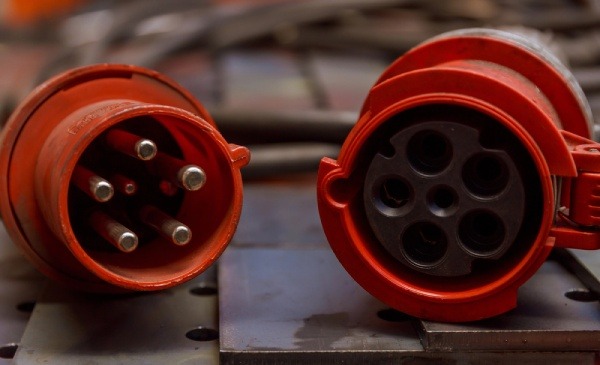
You might have noticed certain appliances or machines run smoother or more efficiently than others. Well, here’s the secret: they rely on 3 phase power.
If you’re wondering what 3 phase power is and why it matters for homes and businesses, our team at Sydney Expert Electrician will walk you through the details here!
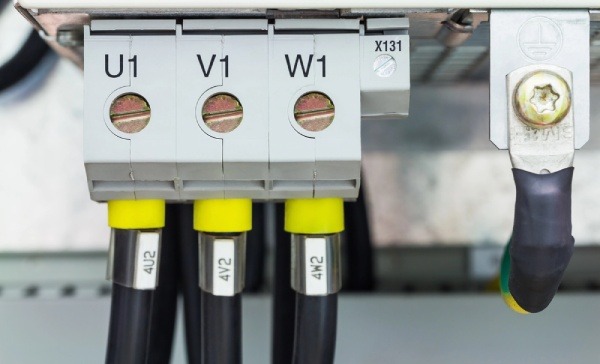
3 phase power is a type of alternating current (AC) that uses three separate electrical waves (called phases) working together.
Each phase peaks at a different time, creating a consistent flow that powers machines, appliances, and industrial equipment without overloading circuits.
Think of it like three friends taking turns pushing a swing. The swing keeps moving without stopping because each push happens at the right moment.
Three-phase systems use either three or four wires. The extra wire, if present, is the neutral, which provides a path to ground.
The said setup moves electricity efficiently across long distances and powers everything from commercial air conditioners to large motors.
Because three phase power delivers energy more evenly, it can reduce strain on circuits and components.
Even so, you should watch for signs of an electrical fault, like unusual buzzing, flickering lights, or tripped breakers, which could indicate a problem within one of the phases.
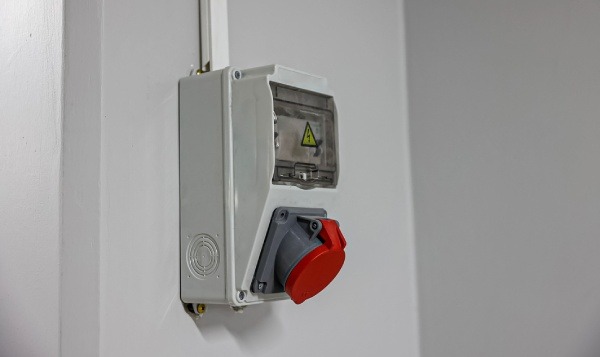
Now that we understand what 3 phase power is, let’s compare it with single-phase electricity so you can see why homes, businesses, and industries use one or the other.
Single-phase power is what most residential homes use. Essentially, it runs on a single electrical wave through two or three wires, depending on whether a neutral is included.
This type of power supplies everyday household needs such as lighting, televisions, small appliances, and heaters. It can also handle larger 240-volt appliances like ovens and air conditioners.
Three-phase power, on the other hand, uses three active wires, each offset in timing, creating a more constant and powerful flow.
Because of its efficiency and higher capacity, 3 phase power can support more demanding electrical loads without overloading circuits.
In residential settings, standard outlets, lights, and small appliances draw from single-phase branches derived from a three-phase supply. Meanwhile, heavier machinery or large air conditioners connect directly to three-phase circuits.
For homes or businesses taking on heavier electrical loads, though, a switchboard upgrade may be needed to safely integrate three-phase circuits alongside existing single-phase lines.
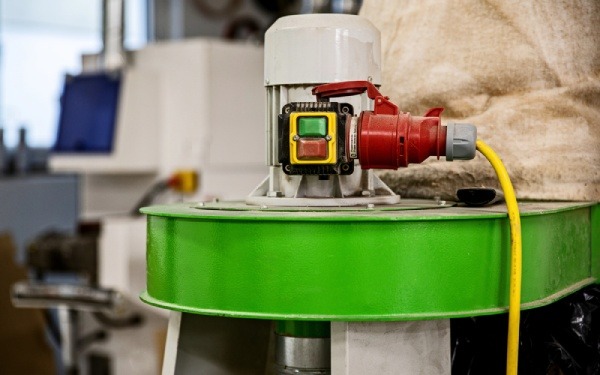
Three-phase power is built for big electrical demands. When heavy loads run, three-phase circuits even reduce the likelihood of electrical fire smell warning signs appearing in your home or business.
In businesses and workshops, it powers large machinery, commercial ovens, compressors, and industrial equipment without overloading circuits.
Data centres and high-rise buildings also benefit from the even, constant flow it provides, making it reliable for multiple appliances at once.
Within homes, three-phase circuits support large ducted air conditioning systems, big ovens, some hot water units, and commercial-style cool rooms.
At the same time, smaller household devices like toasters, lights, and standard appliances continue to draw power from single-phase circuits derived from the same network.
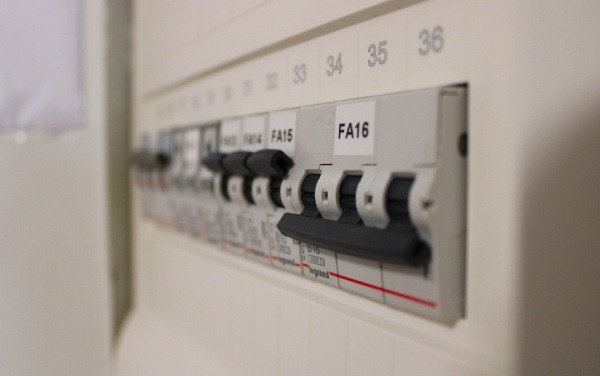
Most homes manage perfectly with single-phase circuits, but three-phase electricity becomes useful in high-load scenarios.
If you plan to install a fast EV charger, run heavy machinery, or add multiple high-power devices at once, three-phase circuits distribute electricity more evenly and prevent overloads.
Any new power point installation that supports high-demand equipment may also benefit from a three-phase setup. That way, each outlet can handle the load safely without tripping breakers or stressing your wiring.
However, upgrading to three-phase may require updating your main panel, adding cabling, and possibly new meters, so it’s best to consult a licensed electrician first.
Experts like Sydney Expert Electricians can evaluate your current setup, advise on the feasibility, and confirm your home is ready for the extra power.
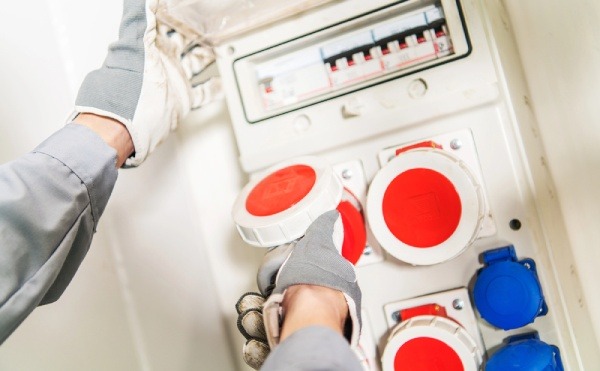
There are a few simple ways to get a sense of your property’s power supply.
One of the easiest indicators is the number of service fuses on your main switchboard or meter board:
Another clue is the width of your main switches. Single-phase switches are one pole wide, while 3-phase switches are three poles wide.
These are often found on your meter board and on sub-boards in larger homes, apartment blocks, or commercial premises.
Modern smart meters may also display the phase type.
Look for labels like 1P 2W for single phase or 3P 4W for three phase, or a meter clearly marked as 3 phase. If the labeling isn’t obvious, your energy provider can confirm the setup.
Finally, only a qualified professional should measure voltage, but electricians typically use a multimeter to check the supply.
Around 400 volts between active wires confirms three-phase power, while 230 volts between active and neutral indicates single-phase.
If the signs are unclear or your switchboard looks complex, we suggest you contact our licensed electricians.
They can safely verify your supply and explain whether your current setup meets your household or business energy needs.
Before deciding on an upgrade, let’s take a moment to compare the benefits against the drawbacks below.
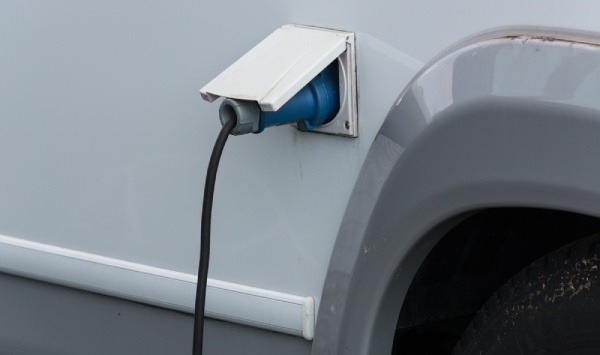
Here’s what makes three-phase power appealing for high-demand setups:
Overall, these advantages suit households planning big upgrades or businesses operating power-hungry machinery.

Of course, upgrading comes with a few trade-offs. Now, let’s take a look at the cons you should keep in mind:
To ensure a smooth upgrade, we suggest evaluating your household or business power needs carefully and discussing options with a licensed electrician before deciding on an upgrade.
Let’s clarify common questions about 3 phase power so you know what to expect.
In Australia, the official standard is 400V between phases and 230V from phase to neutral.
That said, 415V is still widely mentioned on older equipment or labels, and both usually work within a safe range for most installations.
Yes, single-phase appliances can connect to one phase plus neutral in a three-phase system.
They operate normally as long as you don’t accidentally hook them across two phases, which could damage the appliance.
For heavy-load setups, 3-phase power can improve efficiency and balance the load, which can lower electricity costs over time.
Light residential use won’t see much difference, but properties with big appliances, pools, or solar systems can benefit.
3-phase power might sound complex, but it’s really just about making sure your big machines, ovens, or EV chargers run smoothly.
Once you understand how it works and when it’s needed, you can decide what your home or business truly requires.
Call Sydney Expert Electrician today to get your circuits ready for anything and everything you plug in!
What our customers in Sydney say about us
Marcie McConville

David and Luca started working as soon as they checked what work needed to be done. They were hard working, very professional and delightful young men. I am very happy with the work that was done and highly recommend them.
David Coorey
Best electricians i have ever dealt with, well presented, knowledgeable found and fix our fault in a timely manner and at an extremely reasonable price.
Zaryab khan
With more than ten years of expertise, dependable and effective. Consumers value their competitive pricing and timely, amiable service.