


Fast, Same Day Response


Fast, Same Day Response



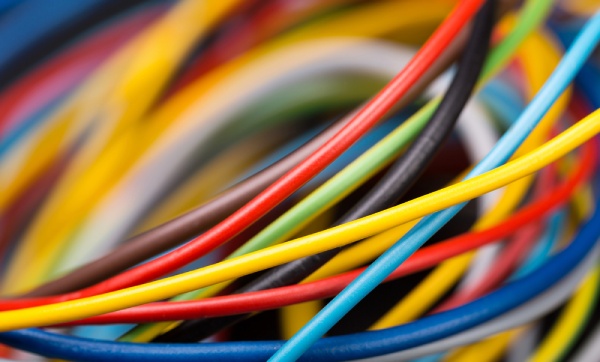
Misreading a wire colour can derail an electrical job in seconds. Australian electrical wire colours exist to prevent those slip-ups, though older standards may still be used in many homes.
That’s why our experts in Sydney Expert Electrician will break down how colour codes work today, how they looked years ago, and why reading them correctly keeps everything secure.
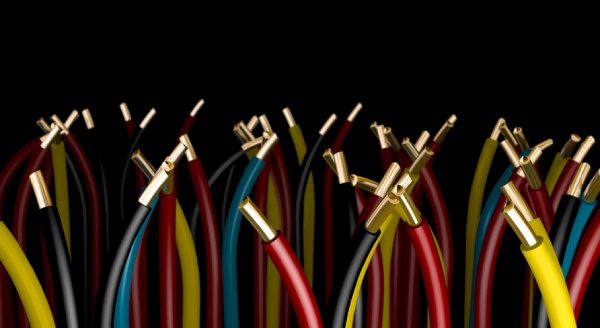
Let’s lock in the modern setup first.
The colour system below reflects the current and most common Australian standard across newer homes and recent electrical work nationwide. This is the colour set licensed electricians expect under AS NZS 3000, especially across single phase residential circuits.
That said, here’s the single phase wiring layout at a glance for most homes:
We get it, wire colours sound simple on paper. However, their real value shows up during installs, fault finding, or upgrades, where visual identification reduces risky assumptions.
In everyday homes, these wires appear behind power points, light fittings, switches, and ceiling fixtures during lighting installation work.
Though colour coding adds clarity, it never tells the full story on its own. Fading insulation, mixed wiring from past renovations, or re-identified conductors can blur the picture.
So, while colours guide the process, testing and verification come first before any contact with wiring, especially during routine electrical safety checks.
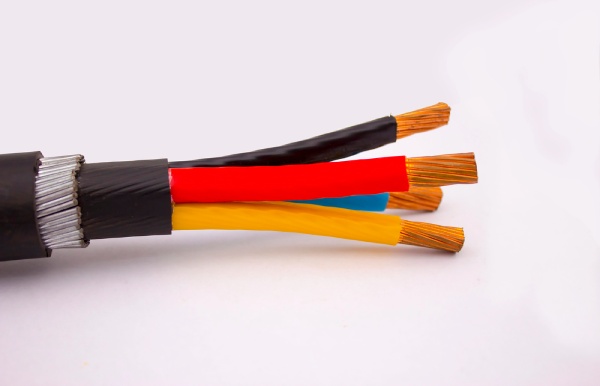
When a property pulls more power than a standard circuit can comfortably handle, three phase wiring becomes the go to option.
Bigger homes running multiple systems, workshops filled with equipment, and commercial sites rely on this setup to distribute power evenly.
In this arrangement, Australian electrical wire colours follow a clear modern pattern designed for quick identification across more complex systems.
Instead of one active conductor, three phases share the workload, each marked with its own colour.
The current Australian standard looks like this at a glance:
You will see these five core cables feeding equipment such as lifts, large air conditioning units, commercial ovens, or industrial tools.
Because each phase delivers power in sequence, balanced loading becomes critical. Uneven distribution creates excess heat inside motors and electronics, which shortens their service life and invites faults.
However, unlike residential wiring, three phase layouts vary by site and equipment.
Some systems rotate phases circuit by circuit, while others group them. Manuals, labels, or voltage testing confirm which phase feeds what.
For anyone unfamiliar with multi phase systems, our licensed electricians can handle this work to avoid risky assumptions and costly mistakes.
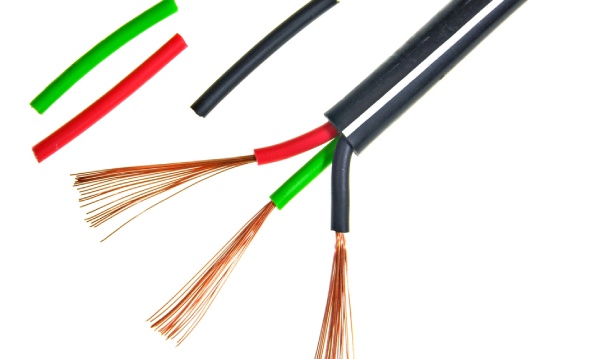
Before modern standards took over, electrical wire colours in Australia followed a separate system that still appears in houses built decades ago or renovated in stages.
Back then, electricians worked with a simpler palette:
However, this earlier colour system can complicate repairs or upgrades, especially once newer wiring shares the same walls, switches, or fittings.
A red wire beside a brown one, or a black neutral near a blue cable, can create uncertainty without proper testing.
In this section, let’s unpack what each wire actually handles once power runs through the circuit.

The active wire takes charge of delivering electricity to lights, appliances, and power points.
In modern Australian electrical wire colours, this wire appears brown and always demands respect.
Contact with an energised active conductor poses serious risk, which explains why electricians isolate power before touching anything linked to it.
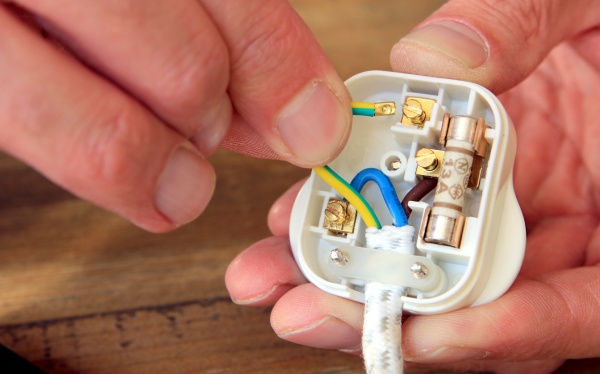
The neutral wire completes the circuit by guiding electricity back after it passes through a device. Recognised by its blue insulation, this conductor balances the system during normal operation.
Shock risk sits lower here than with an active wire, though heat buildup or faulty connections still call for caution during any work.

The earth wire acts as a safety backup. Marked with green and yellow stripes, it directs stray electrical current into the ground during faults.
And the said pathway shields metal casings and fittings, reducing shock risk during equipment failure and reinforcing safe electrical design across homes and workplaces.

Alright, so why spend time learning this at all?
Well, it’s because wiring mistakes can accelerate quickly, and misreading a conductor can turn a simple task into a serious hazard inside the walls.
In real homes, uncertainty pops up during upgrades, repairs, or renovations, especially in properties with mixed or ageing wiring.
Spotting inconsistencies early can prevent issues like tripped circuits, damaged appliances, or those unsettling electrical fire smell warning signs drifting through a room. That scent rarely appears without a reason, and wiring confusion ranks high on the list.
And when doubt creeps in, this is the moment to call the right experts at Sydney Expert Electrician. We offer thorough inspections to confirm your wiring conditions and prevent risks from building into bigger problems!
Now, let’s walk through the key questions surrounding electrical wire colours in Australia.
Treat every unknown wire as live until testing confirms otherwise. Then, switch power off at the breaker, verify with a voltage tester, and label wires once identified.
If everything still makes no sense, calling a professional will help you avoid unsafe assumptions and code breaches.
Mixing wires can trigger reverse polarity, trip breakers, energise metal casings, or damage appliances. In worse cases, it raises shock and fire risk.
Someone cutting into a mislabelled wire may expect neutral and meet live current instead. That risk alone makes proper identification and testing non-negotiable.
At power points or appliances, neutral and earth must stay separate.
Only at the main switchboard or meter box, where standards permit a single bonding point. Anywhere else, that connection violates electrical codes and raises serious shock risk.
Electrical wire colours form the visual language behind safe wiring. Knowing which colours point to active, neutral, or earth lines reduces risk during renovations and fault checks, especially in homes with mixed or ageing wiring.
However, unclear wiring calls for professional confirmation, not trial and error. Sydney Expert Electrician provides certified inspections, precise testing, and documented compliance that aligns with current Australian standards. So call our experts today!
What our customers in Sydney say about us
Marcie McConville

David and Luca started working as soon as they checked what work needed to be done. They were hard working, very professional and delightful young men. I am very happy with the work that was done and highly recommend them.
David Coorey
Best electricians i have ever dealt with, well presented, knowledgeable found and fix our fault in a timely manner and at an extremely reasonable price.
Zaryab khan
With more than ten years of expertise, dependable and effective. Consumers value their competitive pricing and timely, amiable service.