


Fast, Same Day Response


Fast, Same Day Response



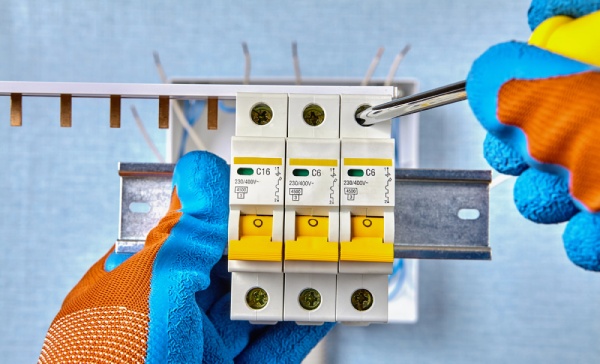
Older switchboards and ageing breakers can struggle to keep up with modern household demand. Gradually, small issues turn into repeated trips or sudden outages.
As a result, understanding circuit breaker installation becomes essential. With guidance shaped by a Sydney Expert Electrician standard, the sections ahead explain when upgrades or replacements become necessary.
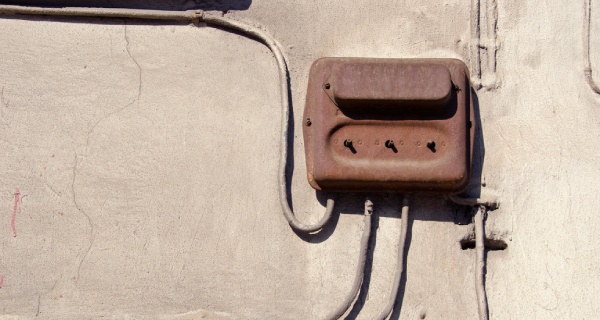
Small changes around your switchboard can indicate bigger problems. Here’s how to spot when a replacement might be needed:
All in all, addressing these issues promptly will help you avoid costly damage.
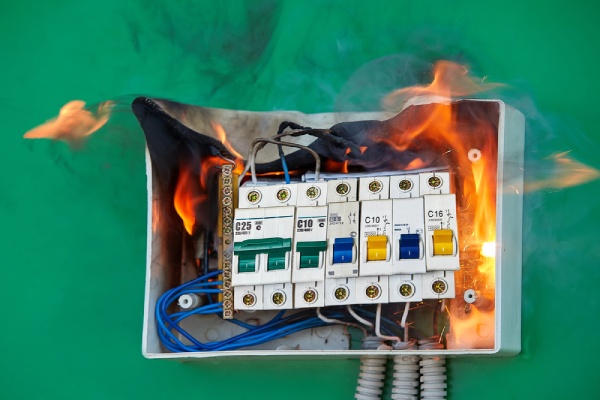
The direct answer is: No. Attempting to install or replace a breaker without proper training carries serious safety and legal risks.
Under Australian regulations, almost all work that interferes with fixed wiring must be completed by a licensed electrician. Performing this work yourself can result in heavy fines.
For example, unlicensed electrical work in Western Australia has led to penalties of $7,500 for individuals and up to $45,000 for businesses, with even higher costs if injury or property damage occurs.
Moreover, electrical dangers are not just theoretical. Incorrect cable sizes, loose connections, or damaged insulation can overheat and ignite roof-space timbers.
To keep your home safe and compliant, contact our licensed electricians. We can inspect your switchboard, replace faulty breakers, and ensure your circuit breaker installation meets Australian safety standards without risking fines, fire, or electrocution!
Here’s how we handle circuit breaker installation at Sydney Expert Electrician:
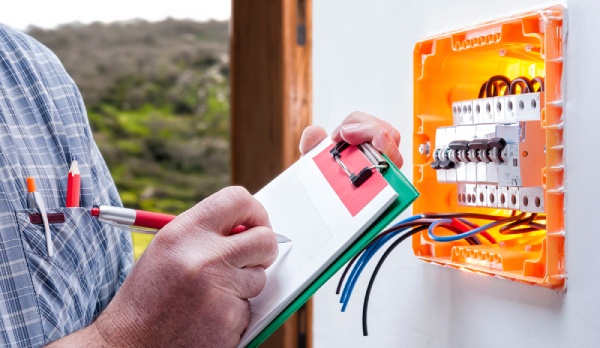
At the outset, we examine the existing switchboard and surrounding wiring. Then, load capacity is reviewed to confirm the system can support current usage and future additions.
Visual checks also cover heat marks, corrosion, or ageing components that may point toward the need for a future switchboard upgrade.
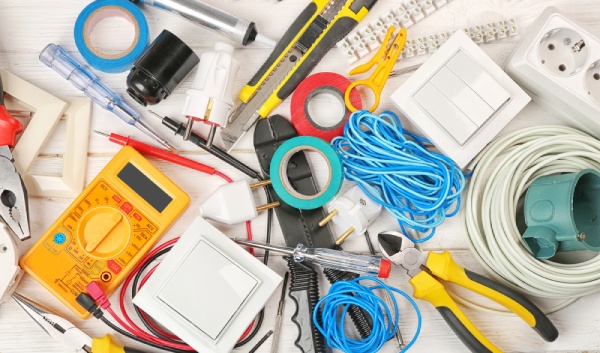
Before any components are touched, the main power supply is shut down at the switchboard. Voltage testing follows to confirm the panel is completely de-energised.
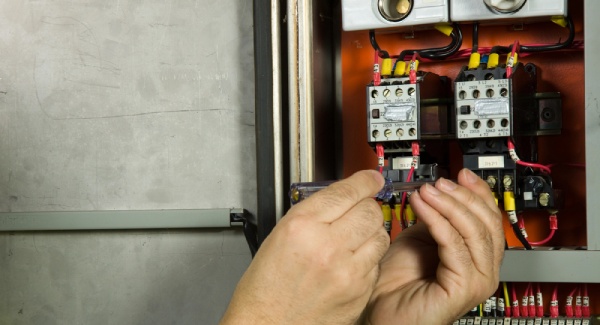
With power confirmed off, the panel cover is removed carefully. The target circuit is clearly labelled so our work stays focused and organised, particularly in switchboards with multiple active lines.
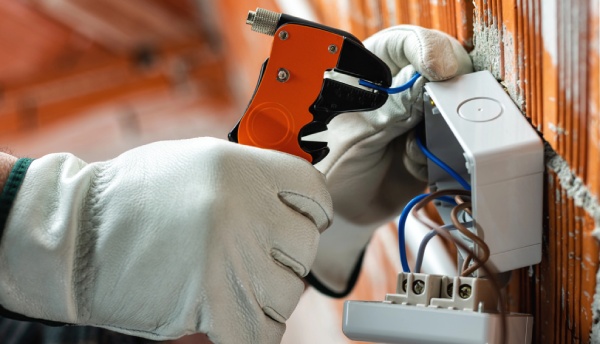
At this point, connected wiring is loosened and separated from the existing breaker. The breaker is then eased off the bus bar without disturbing neighbouring circuits.
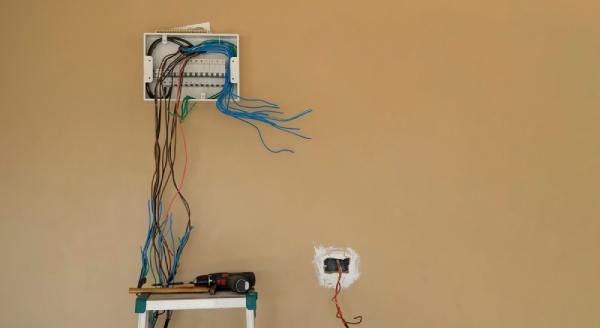
From there, the new breaker is aligned and secured onto the bus bar until it locks into place. After that, wiring is prepared to the correct length, seated into terminals, and tightened to specification.
Ground and neutral connections are also secured on their designated bars to meet Australian standards.
Where required, safety switch installation is completed at the same stage to improve protection across final sub-circuits. In some cases, the existing safety switches already meet requirements, while upgrade work creates a good opportunity to add them.
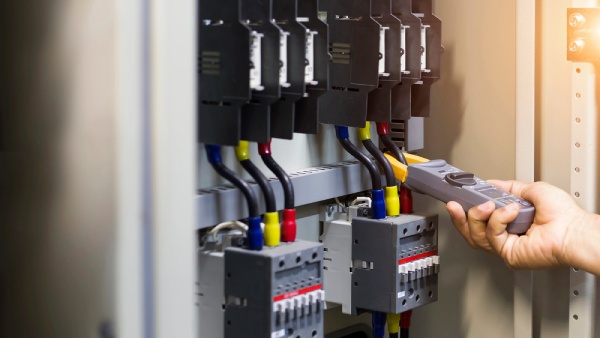
After the installation wraps up, the electrician puts the panel cover back on and restores the power. Functional testing will then confirm that the breaker responds correctly under load.
Let’s now take a moment to check out the FAQs below before planning circuit breaker installation.
A single circuit breaker replacement generally takes between 30 minutes and two hours. Hard-to-reach panels or additional electrical issues can extend the timeframe.
Additionally, full switchboard replacements require several more hours due to rewiring and compliance checks.
A vacuum draws a high current surge when powered on, which can overload a shared circuit. When several appliances run on the same line, the breaker disconnects power to protect wiring and outlets.
Usually, repeated tripping points to wiring faults or outlet issues that require professional inspection.
Both devices work side by side to reduce fire risk and electric shock across the home.
A circuit breaker protects wiring by cutting power during overloads or short circuits. Meanwhile, a safety switch protects people by disconnecting electricity within milliseconds when leakage occurs.
Circuit breakers begin tripping for a reason. Load changes, worn components, or outdated switchboards all point to attention that should not wait.
For expert advice and professional circuit breaker installation, Sydney Expert Electrician can help you get it sorted properly!
What our customers in Sydney say about us
Marcie McConville

David and Luca started working as soon as they checked what work needed to be done. They were hard working, very professional and delightful young men. I am very happy with the work that was done and highly recommend them.
David Coorey
Best electricians i have ever dealt with, well presented, knowledgeable found and fix our fault in a timely manner and at an extremely reasonable price.
Zaryab khan
With more than ten years of expertise, dependable and effective. Consumers value their competitive pricing and timely, amiable service.