


Fast, Same Day Response


Fast, Same Day Response



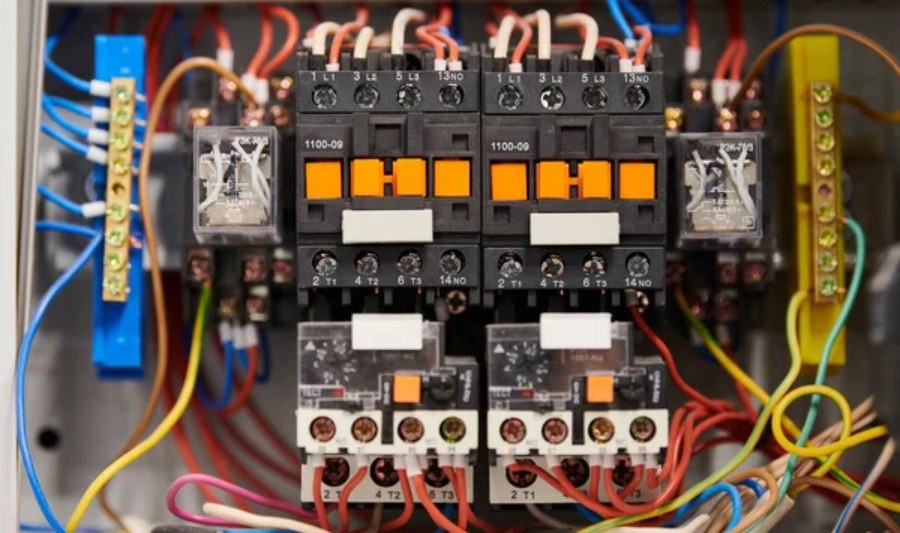
An unusual electrical smell drifting through a room can signal more than a minor inconvenience. Electrical fire smells can point to risks hidden behind walls or inside appliances.
That’s why our experts from Sydney Expert Electricians will show you why early recognition matters before those risks escalate.
To act wisely, you should also know what these smells indicate before reviewing possible causes and the right response.
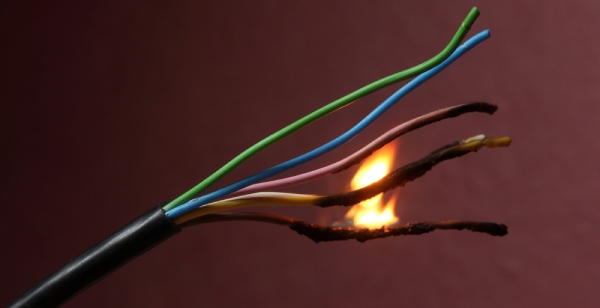
An electrical fire rarely announces itself with flames right away. Many homeowners first notice a sharp, uncomfortable smell drifting through a room, sometimes while everything still looks perfectly normal.
The scent registers as acrid and nose stinging, similar to plastic left too close to heat. It tends to linger and grow stronger, even after windows open or air freshener circulates through the space.
Electrical systems contain plastic insulation, rubber coatings, and metal connections. When wiring overheats, insulation softens and releases a pungent odor that stands apart from everyday household smells.
Some people describe it as burning plastic, while others notice a strange fishy or chemical scent that immediately raises concern. Electrical arcing inside outlets or panels can add a metallic note, especially when connections heat up behind walls.
With that context in mind, a few common smell patterns can help narrow down the source during real situations:
Recognizing the smell early can make the difference between a contained repair and a serious emergency.
After recognizing a suspicious smell, you might wonder. Where does it come from, and how serious does the situation look behind the walls?
From years spent inspecting homes after close calls, we can say electrical fires rarely trace back to a single dramatic moment. In most cases, small issues build quietly until heat reaches a breaking point.
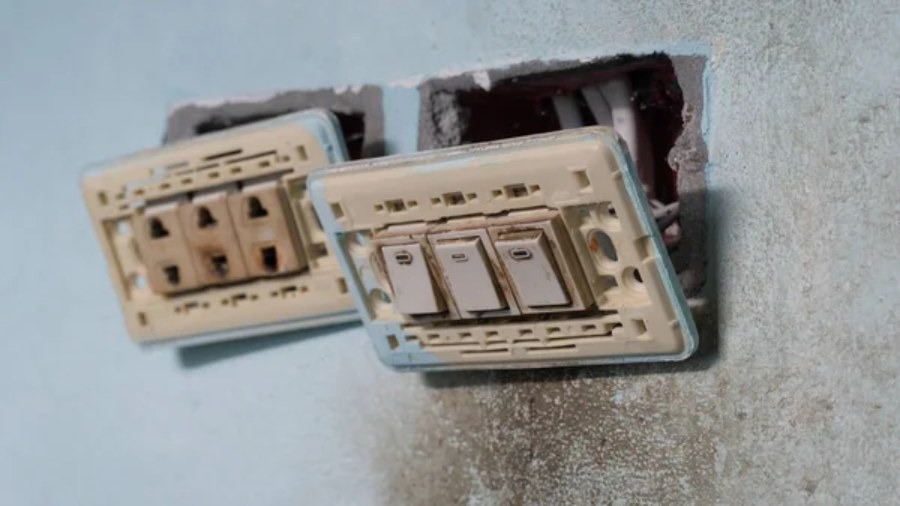
A large share of electrical fire cases begins behind walls, ceilings, or switch plates. Aging wiring, loose terminals, and worn insulation create resistance as current flows, which produces heat over time.
Renovations completed years earlier can leave hidden weak points, particularly when older cables connect to newer loads. We have seen situations where a single loose connection inside a wall warmed gradually until the smell became impossible to ignore.
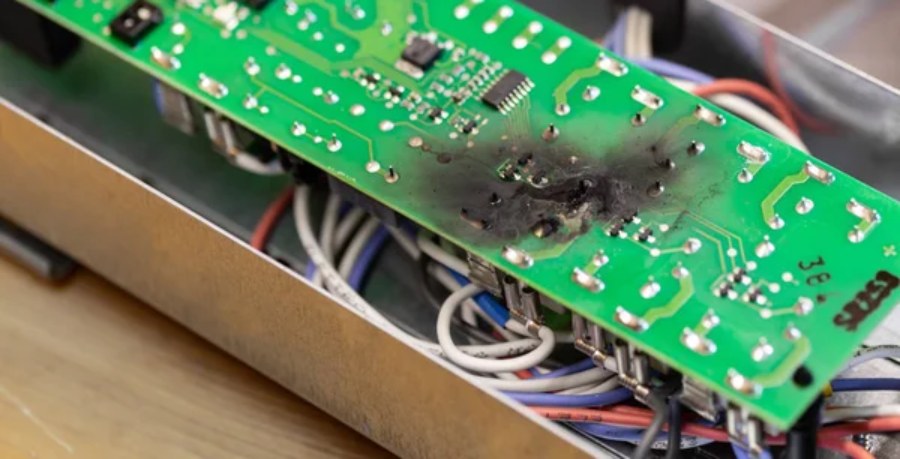
Modern households place heavy demand on electrical systems that were not designed for constant high usage. Appliances with motors or heating elements push circuits hard, particularly when several run at the same time.
Overloaded power points, extension cords used as permanent solutions, and high draw appliances can all drive temperatures upward.
In many inspections, the source leads back to a circuit carrying more load than intended, with heat building silently until insulation or internal components begin to degrade.
Here are some of the solutions you can try to fix (or avoid) electrical fire:
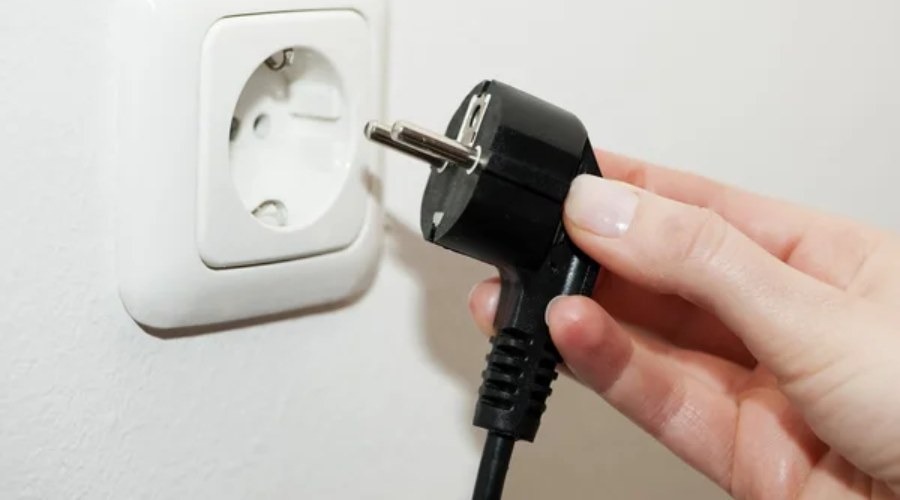
The first priority involves stopping electricity flow to the affected area. When the smell traces back to an appliance, unplugging it from the outlet can halt heat build up straight away.
If the source remains unclear or the smell links to outlets, switches, or walls, heading to the switchboard and turning off the main power switch becomes the safer move.
In some homes, a faulty circuit breaker sits behind the issue and continues feeding unstable current into wiring. That’s why cutting power will reduce the chance of fire spread and lowers shock risk at the same time.
We also advise moving carefully and avoiding contact with hot surfaces, as overheated wiring and fittings can cause serious burns even after power shuts off.
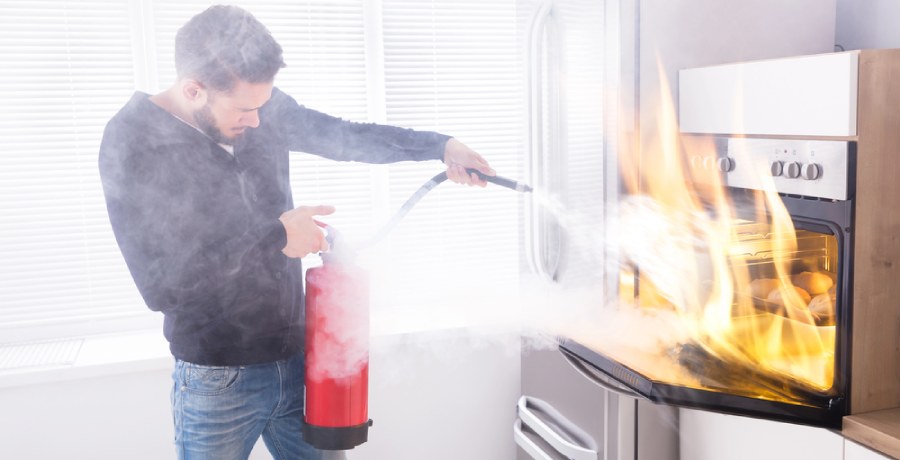
Water should never enter the equation, as it increases shock risk and can intensify damage. Fire extinguishers rated for electrical use remain the safest tool in these situations.
Directing the spray toward the base of the flame helps smother the fire quickly and reduces the chance of re-ignition.
In homes without an extinguisher, baking soda can help with very small electrical fires. Many people keep it in the kitchen without realizing its value during emergencies.
Baking soda releases carbon dioxide when heated, which helps deprive flames of oxygen. Sprinkling it directly onto a small fire can slow or stop combustion long enough to regain control.
Once the situation settles, a full safety inspection ensures hidden heat sources or damaged components receive proper attention before power returns.
Now that emergency steps are clear, let’s look ahead to reducing the chance of facing a similar situation again.
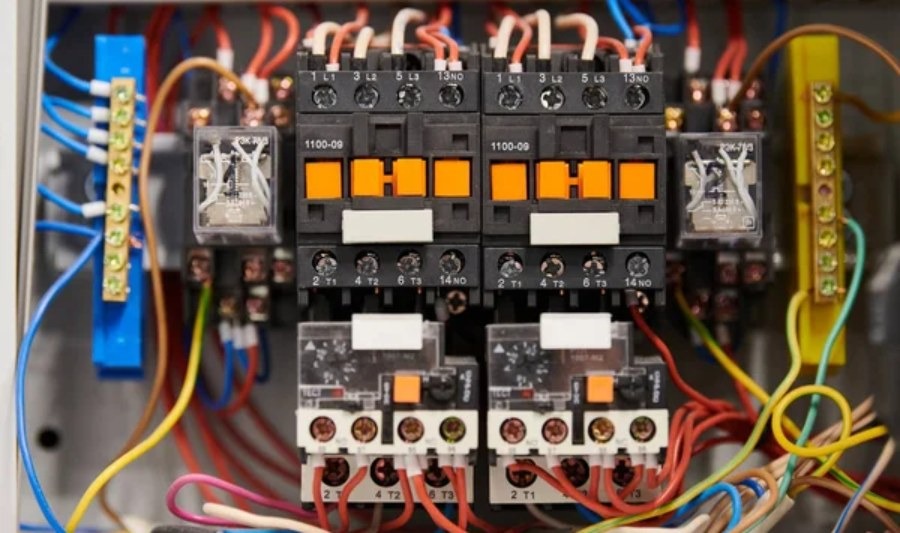
Electrical fires frequently trace back to hidden issues such as a short circuit developing behind walls or inside aging appliances.
Dedicated power circuits for high demand equipment like air conditioners or large kitchen appliances help reduce overload pressure on shared outlets.
Regular inspections matter just as much. A 2023 NFPA study linked appliances older than ten years to a significant share of residential electrical fires.
Aging wiring, worn insulation, and outdated components increase heat buildup over time. Timely replacement and professional checks limit these risks before warning signs appear.
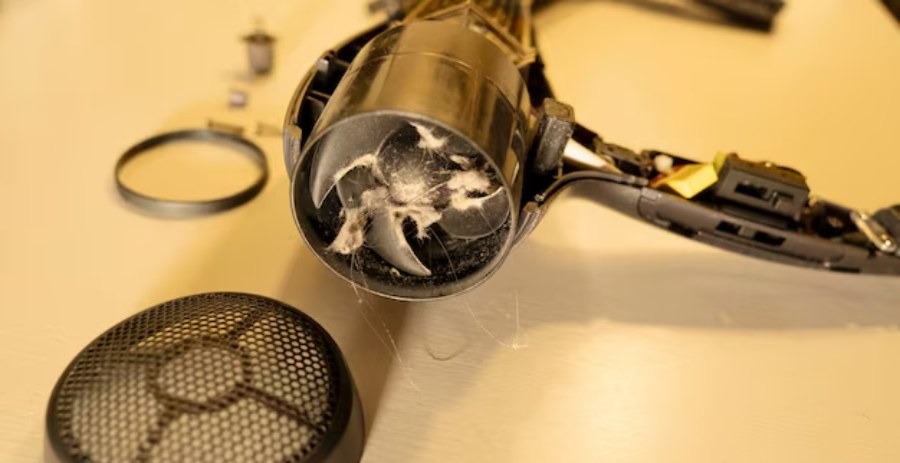
Daily habits influence fire prevention more than many realize. High power appliances such as space heaters, electric blankets, and hair dryers generate intense heat during extended use.
Manufacturer guidelines exist to manage that heat safely, especially regarding usage duration and placement near flammable materials.
These quick answers will address the most common concerns people raise when a burning smell appears unexpectedly.
An electrical burning smell points to overheating inside wiring, outlets, or appliances, even without visible flames.
Insulation may heat up, plastic components may soften, or a blown fuse may struggle under excess load. The scent often resembles melting plastic or chemicals, serving as an early warning before ignition becomes visible.
Active overheating inside electrical components can escalate quickly. In some cases, ignition may follow within 30 seconds once heat reaches critical levels.
However, speed varies based on load, wiring condition, and surrounding materials. That’s why early recognition and quick response carry such importance.
Yes. A burning smell linked to electricity might lead to a serious hazard that calls for professional attention.
Power should be switched off at the breaker as a precaution, followed by contact with a licensed electrician. Continued use without inspection increases the chance of fire or electrical shock, even when the smell fades.
A lingering electrical smell signals hidden heat long before visible danger appears. Prompt action paired with professional inspection lowers the risk of serious damage.
In situations like these, reliable local service helps resolve concerns efficiently, and contacting Sydney Expert Electricians connects you with fully licensed NSW professionals focused on lasting electrical safety.
What our customers in Sydney say about us
Marcie McConville

David and Luca started working as soon as they checked what work needed to be done. They were hard working, very professional and delightful young men. I am very happy with the work that was done and highly recommend them.
David Coorey
Best electricians i have ever dealt with, well presented, knowledgeable found and fix our fault in a timely manner and at an extremely reasonable price.
Zaryab khan
With more than ten years of expertise, dependable and effective. Consumers value their competitive pricing and timely, amiable service.