


Fast, Same Day Response


Fast, Same Day Response



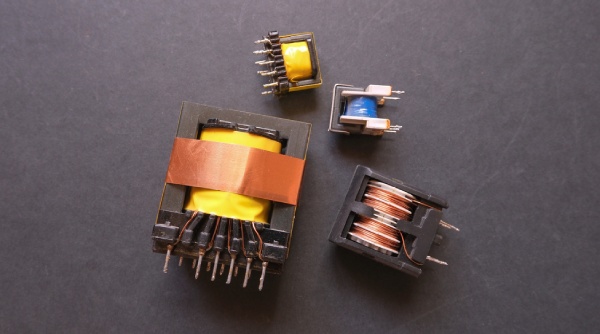
Grid power reaches homes at voltages far higher than everyday systems can accept. Left unmanaged, that mismatch causes trouble across appliances and wiring.
And that adjustment happens through electrical transformers. So, understanding their purpose will help you spot potential issues and know when to call a professional, like Sydney Expert Electrician.
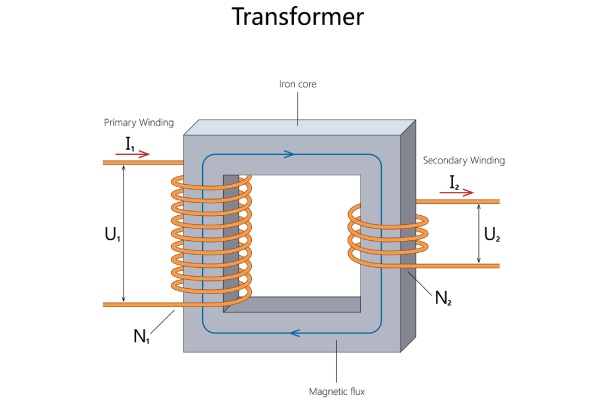
An electrical transformer is a device that transfers electrical energy between AC circuits and adjusts voltage levels up or down without changing frequency.
This keeps grid supply suitable for homes, businesses, and devices, easing stress on wiring and systems.
Inside, a transformer uses a ferromagnetic core and two windings to move energy through a magnetic field. One winding handles higher voltage with lower current, while the other works at lower voltage with higher current.
Because transformers sit between supply and use, electrical safety checks frequently include them to confirm insulation, load handling, and overall condition.
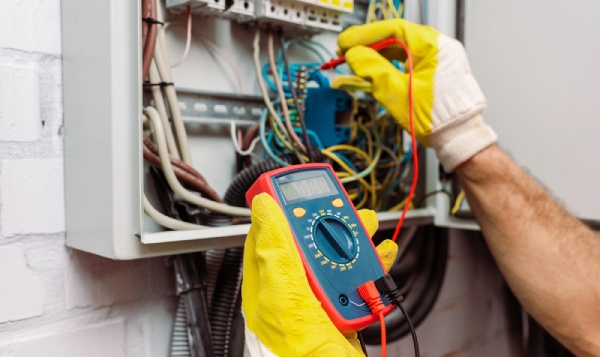
Electricity travels across suburbs at very high voltage, so long-distance delivery stays efficient. However, that level suits power lines, not homes or shopfronts.
Then, transformers step voltage down to safe usage levels, such as 120/240V, before power reaches lights, appliances, and equipment.
As a result, everyday devices run without overheating, shorting out, or failing on first use. Computers, air conditioners, and lighting systems all expect a specific voltage range, and transformers keep supply aligned with those limits.
To build on the definition above, the process inside a transformer follows a clear sequence driven by electromagnetic induction.
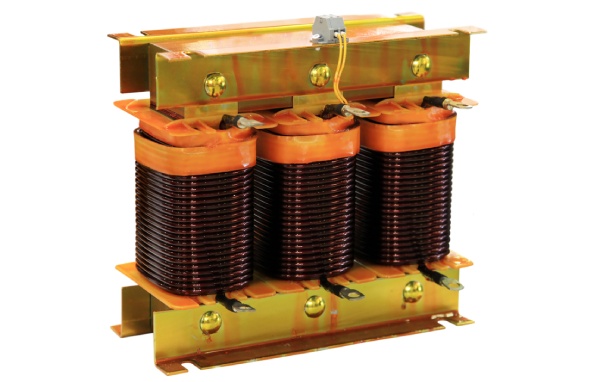
An electrical source connects to the primary winding, formed from conductive wire wrapped around a magnetic core.
Current moving through the coil generates a changing magnetic flux, guided along the core’s low-resistance magnetic path. This process follows Faraday’s Law, where shifts in a magnetic field link directly to induced electrical effects.
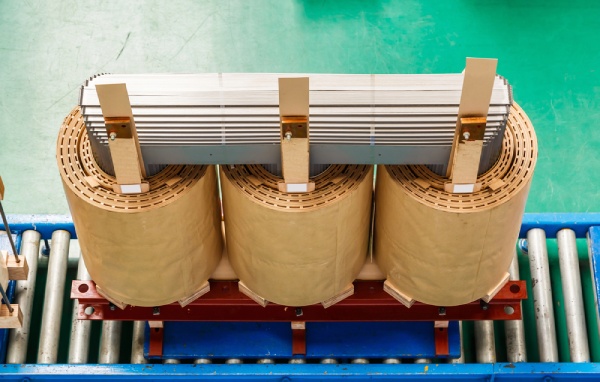
The magnetic core then directs that flux through a closed magnetic circuit.
Built from stacked steel sheets, the core supports efficient flux transfer while limiting energy losses. The shared core links the primary and secondary windings without direct electrical contact, which keeps the circuits electrically isolated.
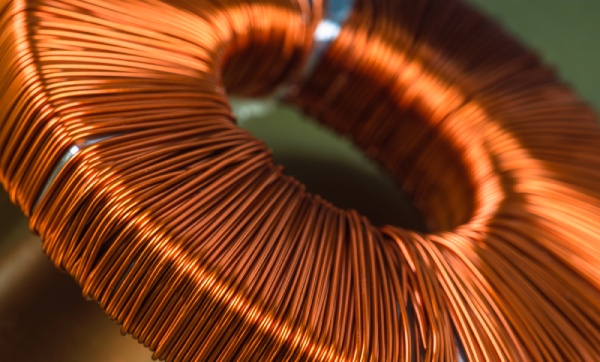
The changing magnetic flux passing through the secondary winding induces an electromagnetic field. This induction generates an alternating voltage in the secondary coil.
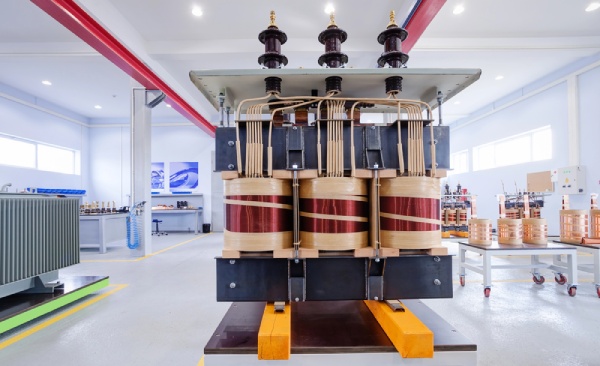
As a result, the transformer adjusts voltage upward or downward based on the relationship between the two windings.
A winding designed for higher voltage uses thinner wire and lower current, while a lower-voltage winding uses thicker wire and higher current.
This relationship explains the difference between volts and amps in practical terms, where voltage reflects electrical pressure and current reflects electrical flow. Throughout this exchange, the alternating current frequency remains consistent across both circuits.
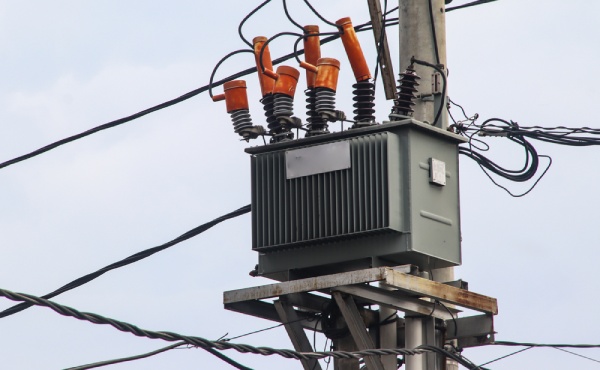
Finally, electrical energy moves between circuits through magnetic coupling rather than physical connection.
The said separation supports safe distribution across homes and buildings, which explains why transformer condition receives close attention during inspections tied to load changes and electrical system upgrades.
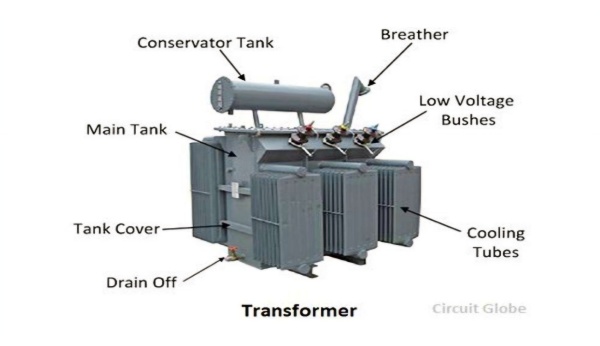
Now, let’s walk through the essential parts found in most transformers.
Seen as a system, these components explain why the transformer condition receives close attention during inspections, upgrades, and load planning.
Not all electrical transformers serve the same purpose, so let’s explore how they’re designed for different uses.
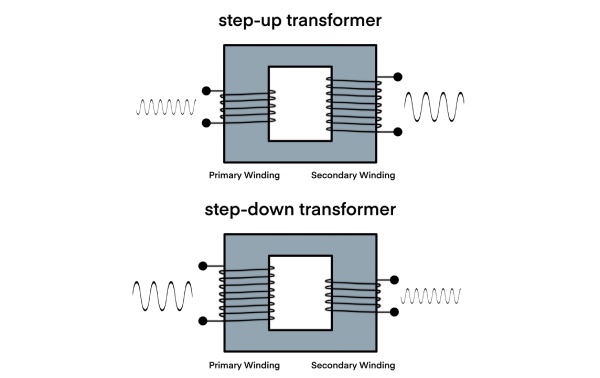
At the transmission end, step-up transformers raise voltage between the primary and secondary windings. This setup suits power generation and grid transmission, where higher voltage supports efficient delivery across long distances.
Closer to homes and workplaces, step-down transformers reduce voltage to practical levels. This conversion supports lighting, appliances, and electronic equipment without exposing systems to excessive electrical stress.
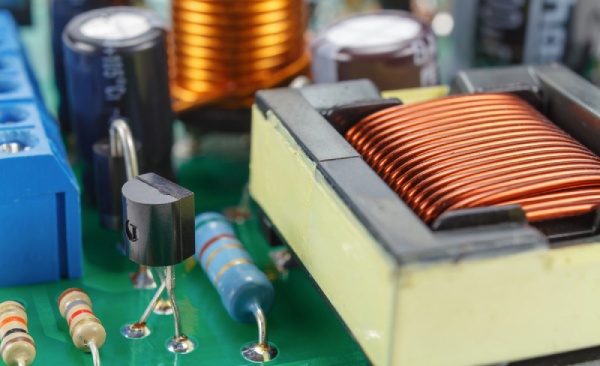
Another way to classify transformers focuses on the material guiding magnetic flux.
Air core transformers use air as the magnetic path between windings. These designs appear in high-frequency applications, where reduced core losses take priority over compact size.
By contrast, iron core transformers rely on stacked steel laminations. This construction strengthens magnetic linkage between coils, which suits power distribution and industrial electrical systems.
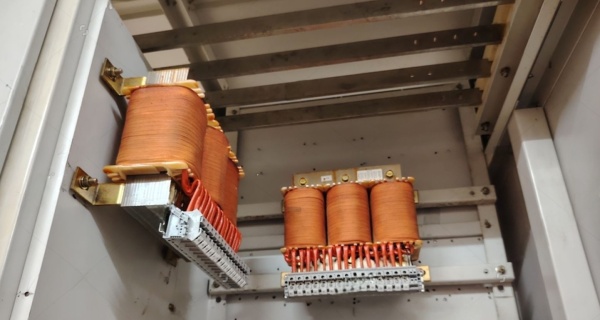
An autotransformer uses a single coil shared by both primary and secondary circuits.
Voltage variation occurs along different tap points on the same winding, which supports voltage adjustment within a smaller footprint.
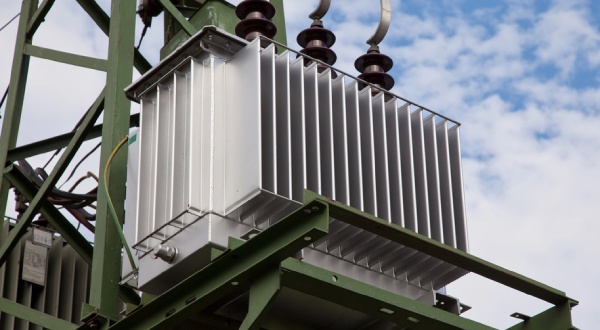
A power transformer operates within generation plants and transmission substations, handling high voltage levels tied to bulk energy transfer.
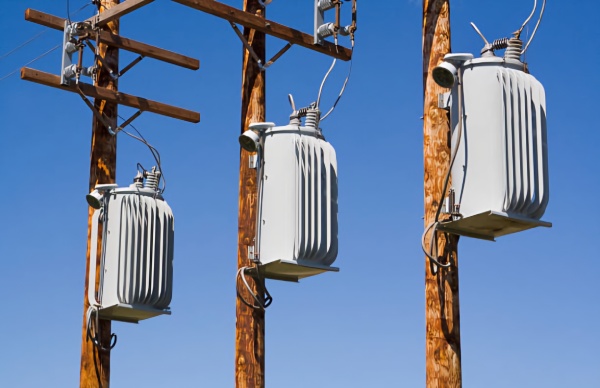
On the other hand, a distribution transformer supports residential streets and commercial areas. Its design aligns with lower voltage output, simpler installation, and continuous operation near populated spaces.
Measurement transformers scale current and voltage into readable ranges for meters and monitoring equipment.
At the same time, protection transformers support circuit safety by feeding accurate electrical data to protective devices during abnormal conditions, such as voltage fluctuations or system faults.
Once the basics are clear, here are several transformer problems that deserve early attention:
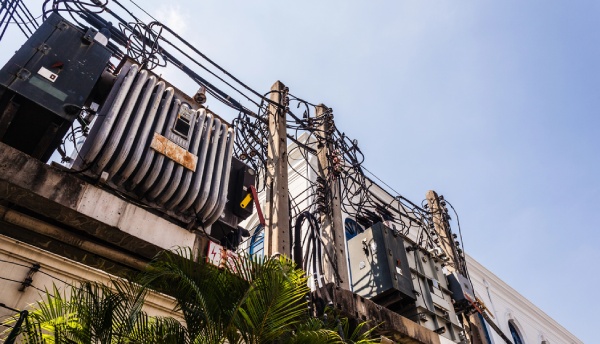
Transformer lifespan ties closely to workload patterns. Units under continuous heavy demand age far quicker than those with moderate workloads.
Sustained loading raises internal temperatures and speeds up insulation wear. And since this kind of stress accumulates quietly over years, routine inspections will hold long-term value.
For early detection and practical guidance, many owners contact Sydney Expert Electrician to assess transformer condition before failures surface.
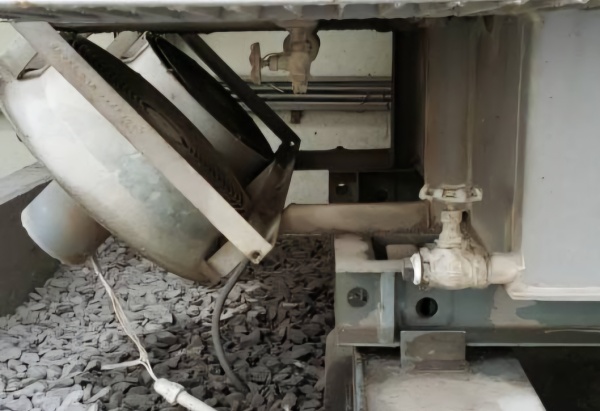
Leakage creates a direct path for oxygen and moisture to reach internal insulation. Cracked tanks, damaged welds, worn gaskets, or degraded sealant frequently sit behind these faults.
Alongside electrical risk, escaping oil raises environmental concerns, especially in outdoor or shared installations.
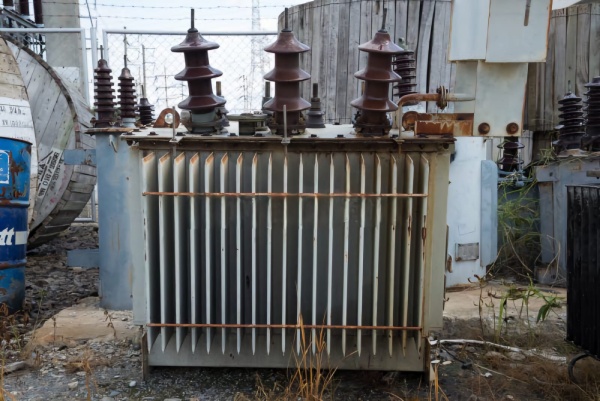
Water intrusion causes rapid insulation damage inside liquid-filled transformers.
Poor tank sealing and neglected silica gel breathers open the door to moisture absorption. Once insulation integrity drops, recovery options narrow significantly.
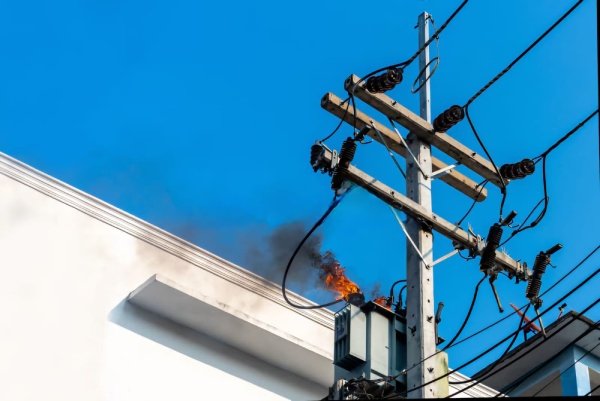
Excess electrical demand pushes winding temperatures upward. Prolonged heat exposure weakens insulation materials, reducing their dielectric strength.
Correct load assessment during inspections helps align transformer capacity with actual site demand.
To wrap things up, these quick answers clear up the questions homeowners and business owners raise most.
A severe internal fault causes electricity to arc inside the transformer tank. That arc heats the insulating oil almost instantly, turning it into rapidly expanding gas.
Then, pressure builds in a split second until the metal housing ruptures. When that happens, hot oil can ignite, creating the dramatic fire and bright flashes sometimes seen during failures.
Transformers operate with alternating current (AC). A constantly changing electrical flow creates a shifting magnetic field, which induces voltage in the secondary winding.
Direct current lacks that ongoing change, so voltage transfer between coils does not occur under DC conditions.
Most electrical transformers serve for roughly 20 to 40 years. Units with balanced loading, sound insulation, and regular inspections may continue operating well past that range.
Heat exposure, moisture, and sustained heavy demand shorten service life more quickly than calendar age alone.
Yes. High-voltage electricity travels through utility lines for efficiency, then passes through a transformer before reaching residential wiring.
That step-down process supplies the 120/240V used by household circuits, lighting, and appliances, keeping everyday electrical use within safe limits.
Electrical transformers support safe voltage levels, protect equipment, and keep power distribution running smoothly across homes and businesses. Clear knowledge of how they work, common issues, and maintenance value supports smarter decisions during inspections and upgrades.
For professional inspections, upgrades, or electrical advice, call Sydney Expert Electrician for licensed expertise and reliable service you can count on.
What our customers in Sydney say about us
Marcie McConville

David and Luca started working as soon as they checked what work needed to be done. They were hard working, very professional and delightful young men. I am very happy with the work that was done and highly recommend them.
David Coorey
Best electricians i have ever dealt with, well presented, knowledgeable found and fix our fault in a timely manner and at an extremely reasonable price.
Zaryab khan
With more than ten years of expertise, dependable and effective. Consumers value their competitive pricing and timely, amiable service.