


Fast, Same Day Response


Fast, Same Day Response



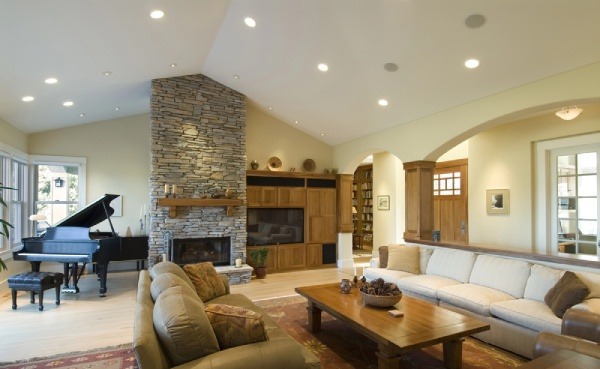
A room can look finished and still feel wrong once the lights turn on. The issue often traces back to mismatched fittings or the wrong light source for the space.
And at last, brings us to the topic at hand. Knowing the types of lights available really matters before committing to any setup.
So today, our team at Sydney Expert Electrician will explain how common options work and where each fits inside your home.
To keep the next sections easier to follow, here’s a quick snapshot of the main lighting categories.
| Category | Type | Detail |
| Light Source | LED | Solid-state lighting with very low energy use and long service life. |
| Halogen | Updated incandescent design with brighter white output and higher heat. | |
| Incandescent | Traditional filament bulb with high heat loss and short lifespan. | |
| CFL/Fluoro | Spiral or tube design using less power than incandescent lighting. | |
| Smart LED | App-controlled LED lighting with dimming, scheduling, or colour change. | |
| Fixture Type | Downlight | Recessed ceiling fitting with a flush, low-profile appearance. |
| Pendant | Suspended fixture that directs light downward and adds visual focus. | |
| Track | Adjustable heads mounted along a ceiling track for directional lighting. | |
| Wall Sconce | Wall-mounted fixture providing ambient or task illumination. | |
| Outdoor Flood/Sensor | High-output exterior lighting with motion detection options. | |
| Cove Lighting | Flexible LED strips installed along ceiling or wall edges to create indirect illumination. |
Since these categories work in tandem, a single room normally combines both.
For example, LED technology paired with downlights suits kitchens, while smart LEDs inside pendants work well above islands or dining tables.
Now, it’s time to zoom in on what powers each fitting. Among the many types of lights available today, these are the core technologies you can compare before committing.
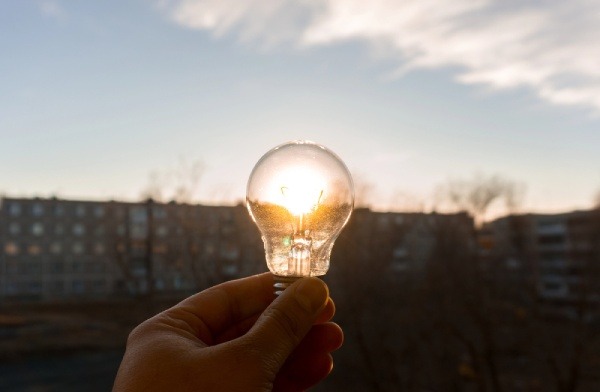
Incandescent bulbs generate light by passing electricity through a tungsten filament inside a sealed glass enclosure.
Most of the energy converts into heat rather than visible light, which explains their declining presence in modern homes.
Pros
Cons
Best uses
Decorative fittings or short-term installations where efficiency carries low priority.
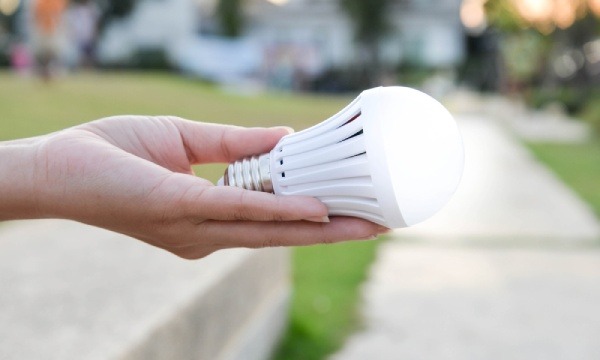
LEDs produce light through solid-state components rather than heated filaments.
Such design translates into very low energy use and long operational life, which explains why LEDs dominate new installations across homes.
Pros
Cons
Best uses
General household lighting, kitchens, living areas, outdoor fittings, and anywhere lights see frequent use.
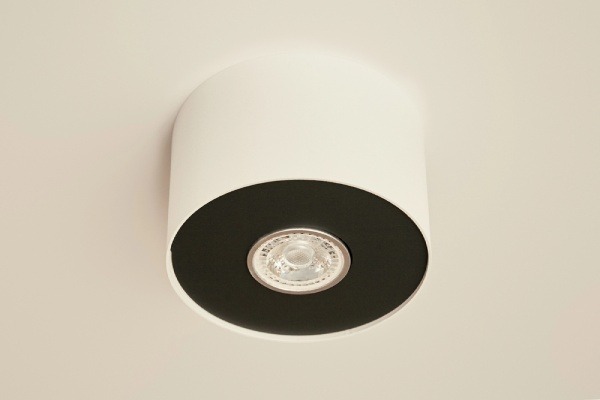
Halogen bulbs refine the incandescent concept by enclosing a tungsten filament in halogen gas.
The said setup increases brightness and extends lifespan compared to traditional filament bulbs, though heat output remains noticeable.
Pros
Cons
Best uses
Accent lighting, desk lamps, and fittings where colour accuracy carries priority.
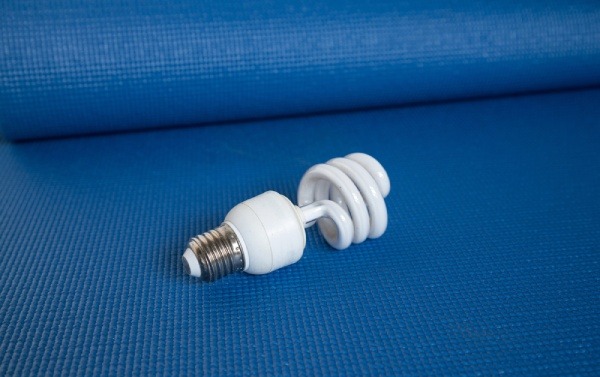
CFLs replace incandescent bulbs by exciting gas inside the tube, which then emits light through a phosphor coating.
Early versions struggled with size and colour quality, though modern designs resolved many of those issues.
Pros
Cons
Best uses
Laundry rooms, garages, and spaces where lights stay on for longer periods.
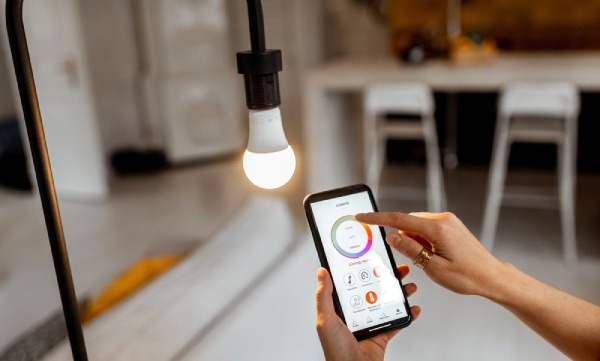
Smart LEDs build on LED technology by adding wireless connectivity.
Through apps or home automation systems, users manage brightness, colour, schedules, and location-based functions such as geo-fencing.
Pros
Cons
Best uses
Living areas, bedrooms, and homes running broader smart home setups.
Fixture types decide where the light points, how wide it spreads, and how prominent it appears. That’s why the same bulb can look completely different across rooms.
So, let’s walk through the most common fixtures you need to know
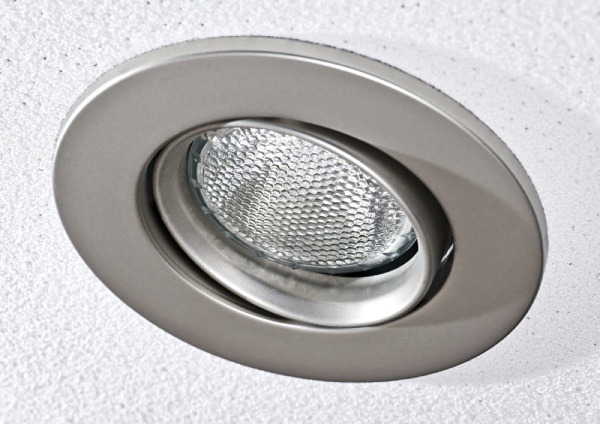
Downlights sit above the ceiling line, leaving only the trim and lens visible. The wiring and housing remain hidden, creating a neat ceiling surface with focused light below.
Because of its recessed design, downlights suit spaces where a low-profile look suits the room layout. However, installation needs ceiling depth, which you should consider if you live in apartments or older homes.
Pros
Cons
Best uses
Living rooms, kitchens, hallways, bathrooms, and anywhere a tidy ceiling finish matters.
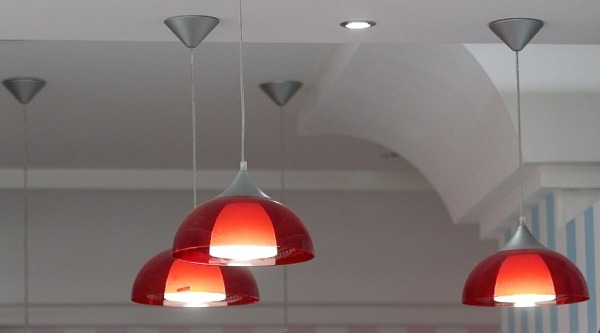
Pendant lights typically hang down from the ceiling using cords, rods, or chains. Light travels mainly downward, making them popular above surfaces where tasks happen.
And since pendants sit in direct view, they bring personality into a room. At the same time, placement and height matter, especially above dining tables or kitchen islands.
Pros
Cons
Best uses
Kitchen islands, dining tables, stairwells, and entry areas.
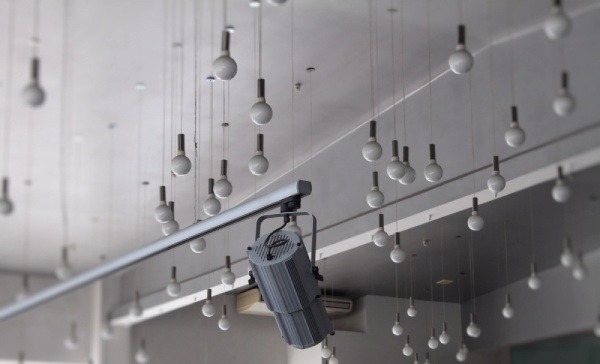
Track lighting mounts a linear rail to the ceiling, with adjustable heads that rotate and slide along the track. This flexibility lets you redirect light without rewiring.
As needs shift, fixtures reposition easily, which suits changing layouts or feature updates.
Pros
Cons
Best uses
Kitchens, home offices, artwork displays, and feature walls.
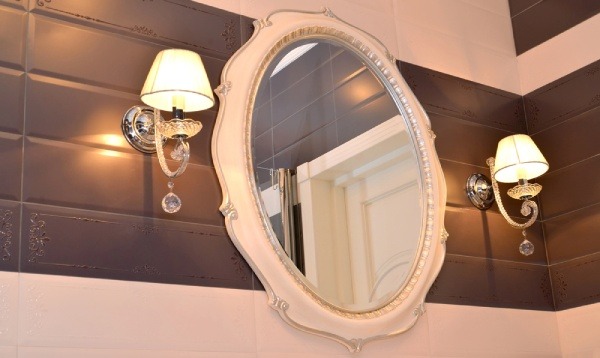
Wall sconces attach directly to walls, sending light upward, downward, or both. Many are positioned at eye level, so placement affects comfort and symmetry.
Pros
Cons
Best uses
Bedrooms, hallways, bathrooms, and feature walls.
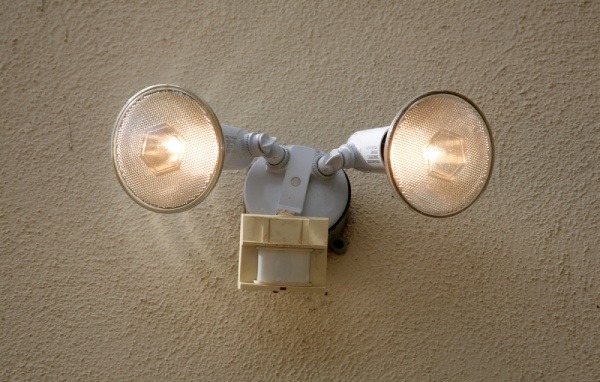
Floodlights project a wide beam across outdoor areas, while sensor models activate based on motion or ambient light levels. Adjustable heads provide targeted coverage where light is needed most.
Most importantly, the automatic response supports security and energy awareness without manual switching.
Pros
Cons
Best uses
Driveways, backyards, pathways, and building perimeters.
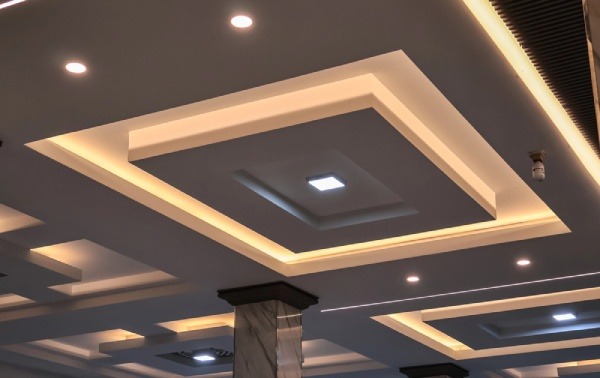
Cove lighting hides light strips inside ceiling recesses or wall ledges. Light reflects upward across surfaces, creating a soft ambient wash.
In addition, concealment places emphasis on texture and surrounding architecture.
Pros
Cons
Best uses
Living rooms, bedrooms, feature ceilings, and media rooms.
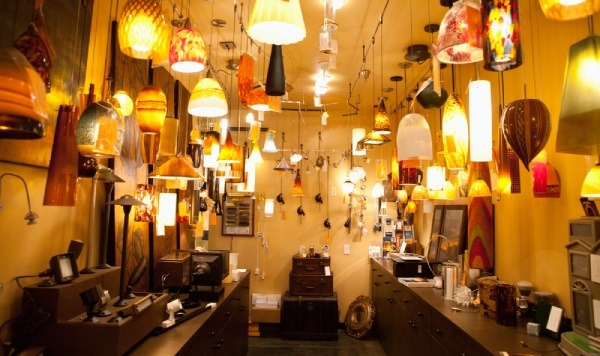
By now, the earlier sections have covered how different light sources and fixtures behave in practice.
Before locking anything in, though, a few factors deserve attention.
For example, think about the main activity in the room, how much daylight reaches it, glare tolerance, and brightness levels measured in lumens. It’s also worth checking whether the existing wiring suits the plan after basic electrical safety checks.
With that context in mind, here’s how lighting choices typically line up room by room:
Once you’re clear on the room’s needs, you can start thinking about spacing and layout. Furniture placement, ceiling height, and budget might all influence your final choices.
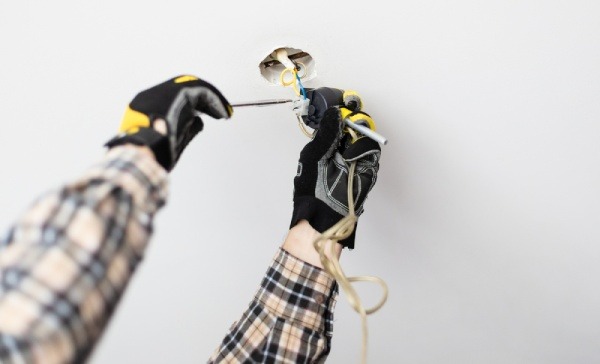
If you’re looking to brighten your home or upgrade an existing system, our team at Sydney Expert Electrician can handle everything from design to installation.
We’ll make sure your lighting works perfectly and meets Australian safety standards. Whether it’s indoor LED downlights, outdoor security lights, or custom fixtures, your space will look its best.
Get a free quote today by contacting our licensed electricians! We’ll assess your space, recommend the best options, and ensure your lighting setup matches your style, needs, and budget.
Exploring the different types of lights helps you pick options that balance brightness, mood, and energy use for every room. And of course, knowing what each source and fixture can do makes decisions simpler.
For a professional, safe, and stylish installation, Sydney Expert Electrician has you covered. Reach out to us now to bring your lighting plans to life!
What our customers in Sydney say about us
Marcie McConville

David and Luca started working as soon as they checked what work needed to be done. They were hard working, very professional and delightful young men. I am very happy with the work that was done and highly recommend them.
David Coorey
Best electricians i have ever dealt with, well presented, knowledgeable found and fix our fault in a timely manner and at an extremely reasonable price.
Zaryab khan
With more than ten years of expertise, dependable and effective. Consumers value their competitive pricing and timely, amiable service.