


Fast, Same Day Response


Fast, Same Day Response



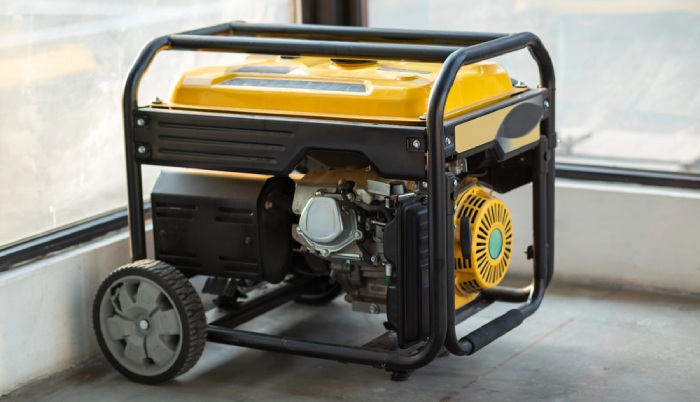
Power outages can interrupt daily routines in small or big ways. After a few experiences like that, you might start thinking about backup power and how homes can stay prepared when electricity goes out.
So, Sydney Expert Electricians will explain how generators support backup power in a clear, easy-to-follow way in this article. Let’s see how generators fit into everyday homes!
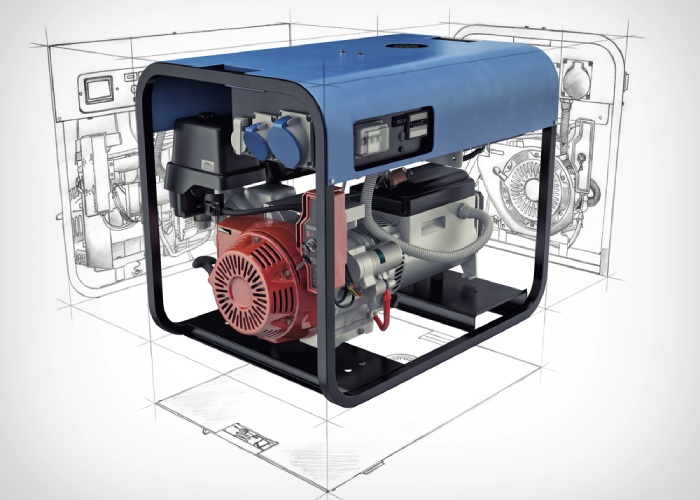
In simple terms, a generator is designed to convert motion into electricity you can use at home, offices, or outdoor setups.
Inside, moving components create electrical energy through electromagnetic principles, providing power when the main supply drops out.
Generators can connect to different driving sources depending on the setup. Common examples include:
Regardless of the source, the principle remains the same: motion inside the generator produces usable electricity whenever it’s needed.
To understand more about what a generator is, let’s look at how the process works from start to finish.

In a way, generators work like a water pump.
Instead of pushing water through pipes, the generator pushes electrons through wires. The faster or stronger the motion, the more energy moves through the system.
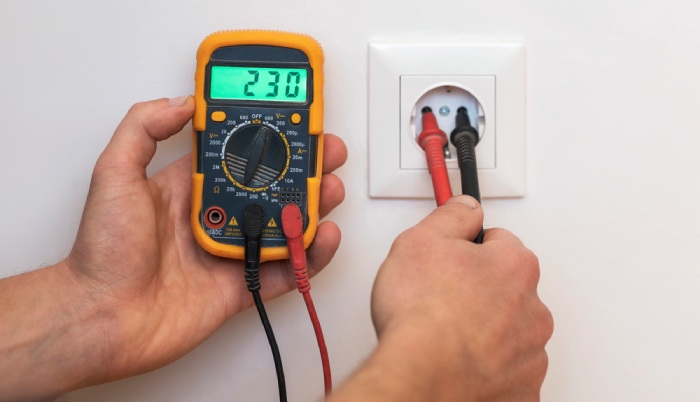
From there, two measurements describe what the generator produces: volts and amps.
Amps refer to the amount of electricity moving through the wire, while volts describe the force pushing it forward.
Because of that, changes in speed affect these values based on the design.
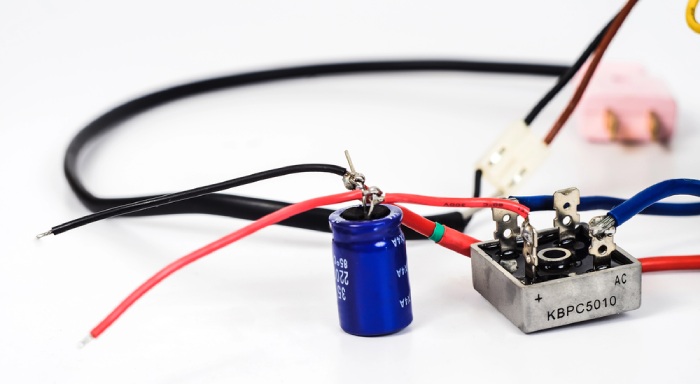
The type of electricity determines how power is used in a home. Generators work with two forms of electrical current:
Many generators convert DC into AC before sending electricity through household circuits, ensuring compatibility with standard outlets.
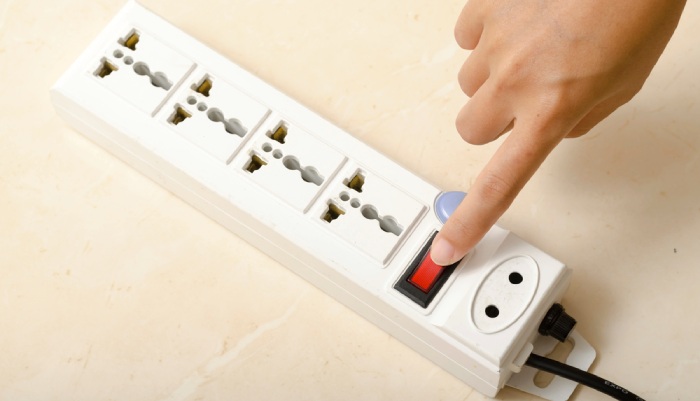
Once generated, the electricity moves into a circuit, where appliances and lights put it to work.
Without a complete circuit, the electrons have nowhere to go, which explains why generators always connect to wiring systems designed for safe use.
With the basics covered, reviewing the pros and cons of a generator can help you decide whether installation suits your home.
In many cases, professional installation plays a key part in addressing these considerations and keeping the system compliant and reliable over time.
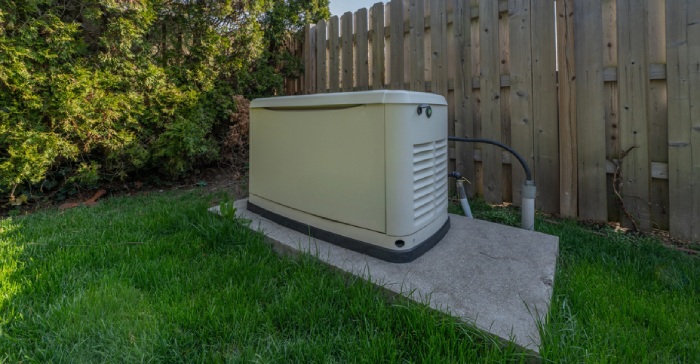
When storms knock out electricity or critical appliances must keep running, a generator can be a lifesaver.
However, if outages are uncommon and power is mostly reliable, smaller backup solutions like battery-powered lights, portable power stations, or uninterruptible power supplies for your fridge and devices might be enough.
Installing a generator safely requires a licensed electrician to connect it to your home’s wiring using a changeover switch or interlock kit. Proper placement is key, so the generator sits outdoors, on flat, dry ground, and away from windows, doors, and vents.
After installation, the electrician will carry out an electrical safety inspection to ensure the system is grounded, connected correctly, and safe to use. Following these steps keeps your home protected and ready when electricity goes out.
Check out these FAQs to understand generator use and safety.
Typically, a generator can power appliances through heavy-duty extension cords, but the safest and most effective way is a professional connection to your main electrical panel using a transfer switch or interlock kit.
Such a setup prevents dangerous backfeeding and keeps electricity flowing safely. So, always place the generator outdoors with exhaust directed away from windows or doors.
Most average homes need a generator rated around 3 to 5 kVA to cover essentials like air conditioners, refrigerators, and lights.
However, it’s wise to list all appliances you want to power first, noting running and starting watts, and add a small buffer for safety.
Petrol generators usually run up to 12 hours before refueling, while natural gas or propane models can operate longer as long as the fuel supply lasts.
Yes, a licensed electrician is required to safely connect your generator via a changeover switch or interlock kit. This prevents backfeeding into the grid, protects everyone’s safety, and ensures compliance with Australian Standards.
Generators can keep your home powered during outages, but safe setup and regular electrical checks are absolutely essential.
For professional advice and a safety inspection, turn to Sydney Expert Electricians to ensure your system is ready for any situation!
What our customers in Sydney say about us
Marcie McConville

David and Luca started working as soon as they checked what work needed to be done. They were hard working, very professional and delightful young men. I am very happy with the work that was done and highly recommend them.
David Coorey
Best electricians i have ever dealt with, well presented, knowledgeable found and fix our fault in a timely manner and at an extremely reasonable price.
Zaryab khan
With more than ten years of expertise, dependable and effective. Consumers value their competitive pricing and timely, amiable service.