


Fast, Same Day Response


Fast, Same Day Response



Some electrical terms get mentioned a lot without much context, and one question keeps resurfacing: what is a safety switch?
Usually, this topic comes up during upgrades, inspections, or renovation chats, especially when power trips during testing or right before a final sign off.
So drawing from our team’s experience on Sydney Expert Electrician projects, we will guide you through why it matters. Let’s jump right in!
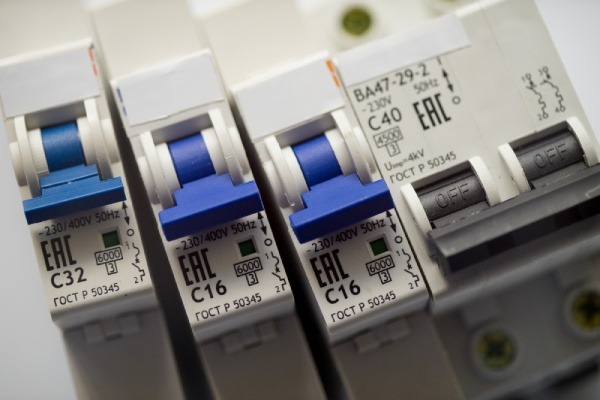
A safety switch, also called a Residual Current Device or RCD, cuts power when electricity moves outside its intended path. The said response happens in milliseconds, reducing exposure to electric shock and lowering fire risk.
In everyday terms, it watches for abnormal electrical activity within a circuit. Situations like damaged insulation, faulty appliances, or accidental cable contact can trigger that response before harm escalates.
Safety switches operate differently from standard circuit breakers and fuses, though.
Breakers deal with overloads and short circuits. Meanwhile, an RCD focuses on personal protection and reacts to electrical fire warning signs linked to current leakage.
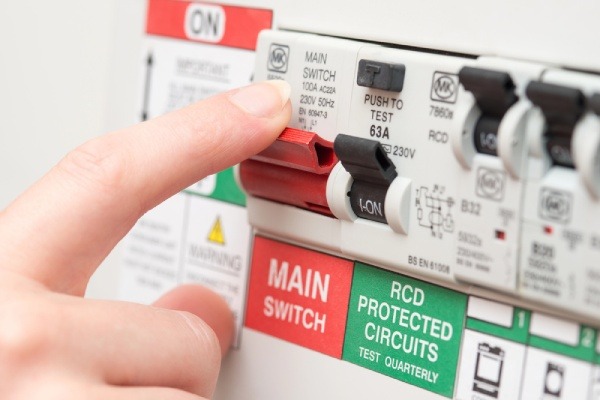
We’ve already touched on what a safety switch does and why it reacts so quickly in the previous section. Here, let’s take a closer look at how it works in more detail.
The RCD contains a sensing coil that monitors electricity moving out through the active conductor and returning via the neutral.
In normal operating conditions, those values balance out. When electricity diverts to earth through damaged insulation, moisture, or contact with a person, the balance shifts.
Once that difference reaches the trip threshold, the mechanism disconnects the circuit within milliseconds. The timing limits current exposure and reduces escalation into heat-related damage or shock scenarios.
Australian standards formalise this response through clear wiring rules. AS/NZS 3000:2018 requires safety switches on both lighting and power circuits in new homes and electrical alterations.
The same principles apply during a switchboard upgrade and safety switch installation, particularly when solar systems or new circuits get added.
Isolator switches, inverter requirements, and extra breakers increase demand inside the board. That’s why upgrades sometimes become part of the process so each circuit retains proper RCD protection.
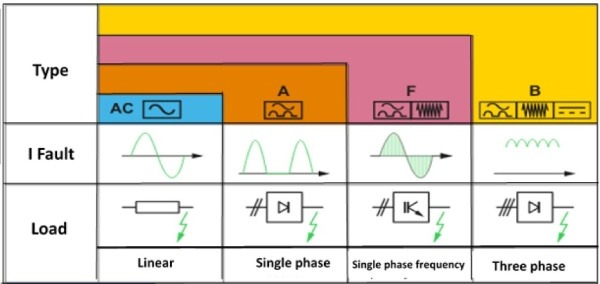
Different types of RCDs exist to suit different electrical loads, technologies, and usage scenarios across modern homes and worksites. Here are some of the types you should know:
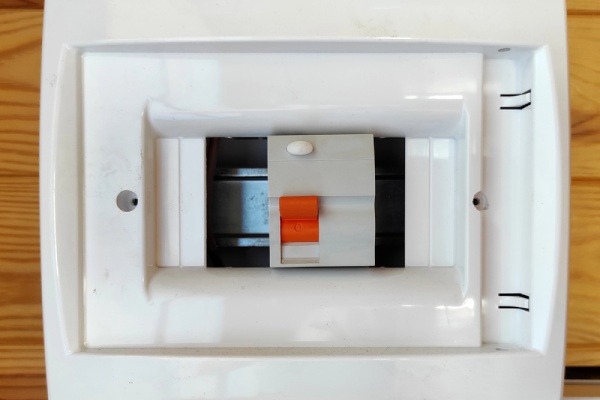
Best uses: Basic residential circuits with traditional electrical loads
A Type AC safety switch detects residual current produced by standard alternating current waveforms at 50 or 60 Hz.
These devices suit simpler electrical setups that rely on resistive or inductive loads such as heaters, filament lighting, or basic appliances.
This model appears more frequently in older installations or basic commercial settings. Type AC units also do not detect direct current components, which limits their suitability for modern electronics that generate more complex electrical patterns.
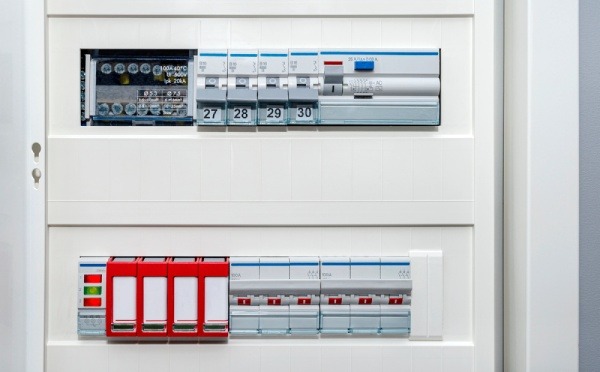
Best uses: Modern homes with common electronic appliances
Type A safety switches detect standard AC residual currents along with pulsating DC leakage up to 6 mA.
Such capability makes them suitable for circuits powering appliances with electronic controls, including washing machines, dishwashers, and induction cooktops.
Across low-voltage systems, Type A units are used most frequently due to their compatibility with everyday household technology. Many newer residential installations specify this type to match current appliance design.
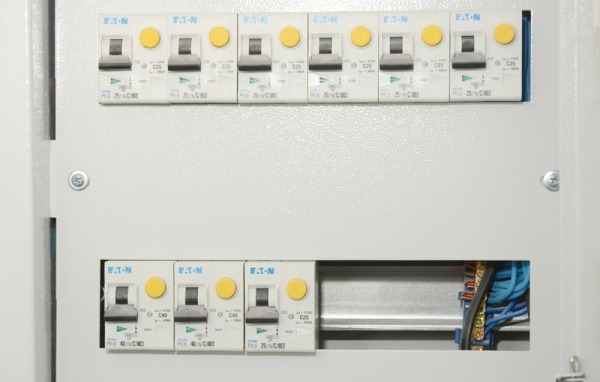
Best uses: Single-phase equipment with variable speed drives
Type F safety switches handle the same current patterns as Type A units, with added capacity for mixed-frequency residual currents and smooth DC leakage up to 10 mA.
As a result, these devices suit equipment that uses single-phase variable speed drives, such as modern air conditioning systems or heat pumps.
In practice, this design reduces unwanted tripping linked to inverter-related surge currents while maintaining a high level of electrical protection.
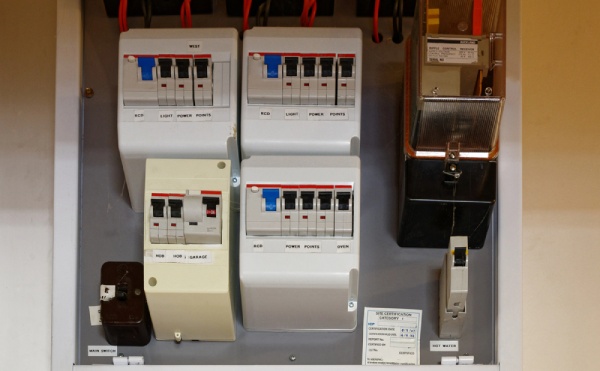
Best uses: Advanced systems such as EV chargers and solar installations
Type B safety switches detect the broadest range of fault currents, including AC, pulsating DC, smooth DC, and high-frequency residual currents up to 1 kHz.
Their wider detection range addresses leakage currents that other safety switches cannot identify. Consequently, electric vehicle charging stations, photovoltaic systems, and inverter-driven machinery commonly rely on Type B RCDs.
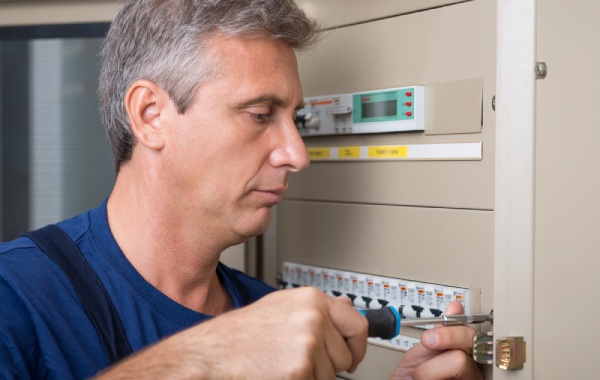
In most homes, you’ll come across safety switches in the following locations:
After placement, timing becomes the next consideration. Property purchases, rentals, and sales each activate specific requirements.
For example, a home purchase activates a three-month window to add safety switches to power point circuits.
On the other hand, rental arrangements place that responsibility on landlords, with a six-month period tied to the tenancy agreement.
Safety switches react in a split second during a fault, but that response only counts when the device remains fully operational.
Regular testing will confirm the system responds the way it should when electricity moves outside its intended path.
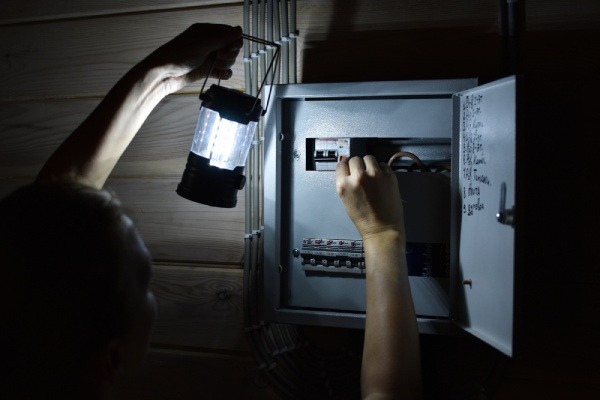
Start by letting everyone in the house know the power will cut briefly. Computers, appliances, and active tasks deserve a short heads-up so nothing gets interrupted mid-use.
Once the house stands ready, head to the switchboard and identify the safety switch linked to the power point circuit.
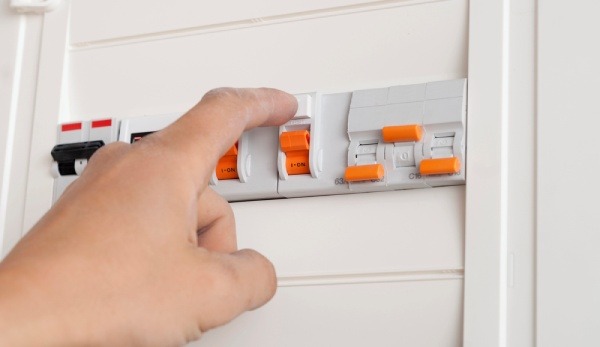
Press the button labelled TEST or T on the safety switch. That action creates a simulated fault inside the device, similar to electricity leaking through damaged wiring or faulty equipment.
A working safety switch will immediately trip to the off position and cut power to the connected circuit. No movement from the switch points to a fault that requires attention from a licensed electrician.
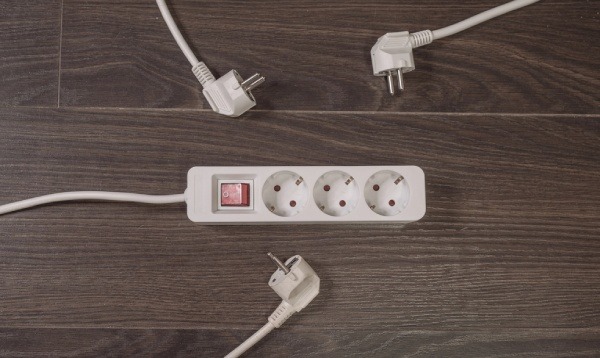
After the switch trips, check nearby power points, lights, or appliances on that circuit. Everything connected should lose power once the safety switch disengages.
Any outlet or fitting still running indicates missing protection on that circuit. This discovery flags the need for further inspection so coverage lines up with current electrical standards.
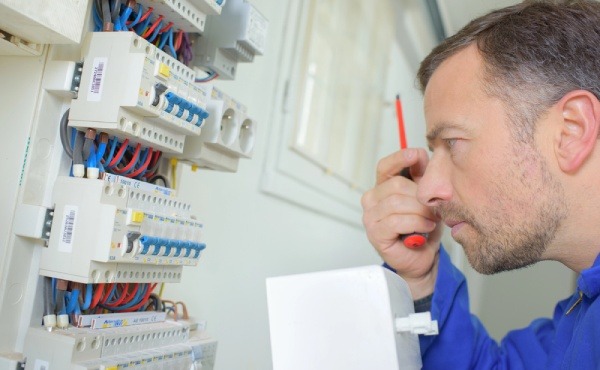
Most switchboards contain more than one safety switch. Repeat the same test on each unit to confirm full coverage across lighting, power points, and added circuits.
Schedule this check every three months to confirm each RCD responds as designed, well before a real electrical fault places the system under pressure.
Now, let’s go over essential FAQs about safety switches (RCDs) to help you stay informed.
Yes. A safety switch is the everyday name for a Residual Current Device or RCD. Both terms describe the same device designed to disconnect power when electricity leaks from its normal path.
Check your switchboard for a switch with a button marked T or Test. Some boards include several, covering different circuits.
As part of regular electrical safety checks, an electrician can confirm which circuits have RCD protection and identify any gaps that still need attention.
A safety switch can interrupt power within milliseconds when current leaks from faulty wiring or overheating appliances. As a result, the risk of heat buildup escalating into a fire drops significantly.
For complete protection, pair RCDs with circuit breakers and contact our licensed electricians to review how your switchboard handles both fault types.
Safety switches are the unsung heroes keeping your home safe from shocks and electrical fires. Knowing how they work, where they’re installed, and how to test them ensures your circuits protect what matters most.
For a stress-free check and expert guidance, our team at Sydney Expert Electrician can inspect, test, and upgrade your RCDs. Call us today!
What our customers in Sydney say about us
Marcie McConville

David and Luca started working as soon as they checked what work needed to be done. They were hard working, very professional and delightful young men. I am very happy with the work that was done and highly recommend them.
David Coorey
Best electricians i have ever dealt with, well presented, knowledgeable found and fix our fault in a timely manner and at an extremely reasonable price.
Zaryab khan
With more than ten years of expertise, dependable and effective. Consumers value their competitive pricing and timely, amiable service.