


Fast, Same Day Response


Fast, Same Day Response



Experiencing a short circuit is never a pleasant situation, especially at home. The damage can range from tripped circuits to sparks and even fire. It’s a condition no one wants to deal with.
So, here, Sydney Expert Electricians will guide you through a brief explanation of what is a short circuit, the causes and types, and also how to identify and fix it.
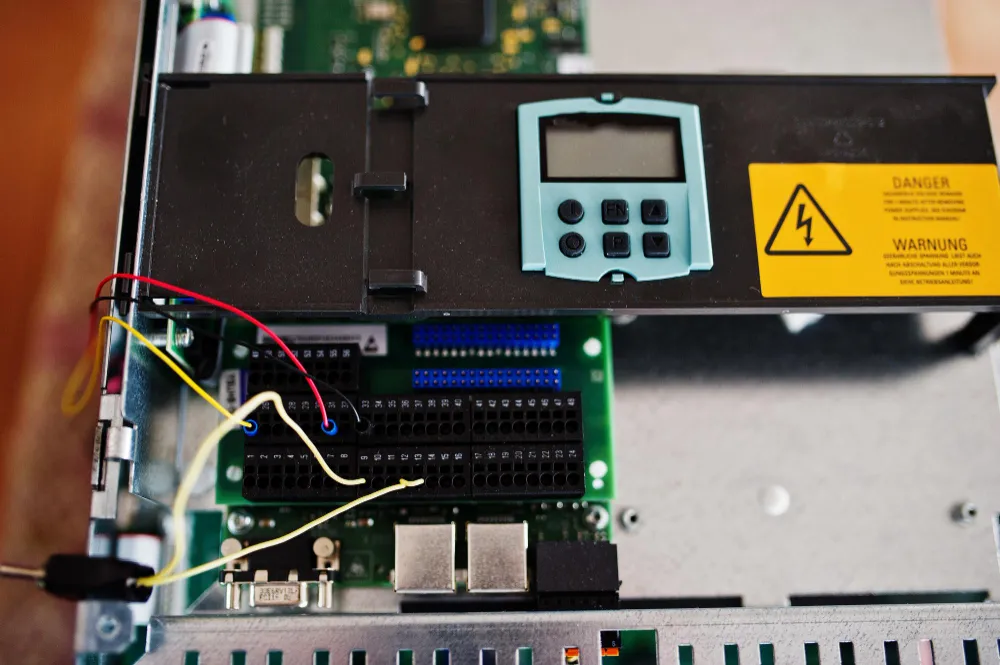
A short circuit occurs when electrical current travels through an unintended, shorter pathway instead of following the proper circuit. This can happen anywhere within an electrical system, including in your home.
Normally, electricity flows through a designated path that connects specific points. During a short circuit, an abnormal connection forms, creating a direct link between points that are not meant to be connected.
Understanding the causes is an important part of preventing and resolving short circuits. Each cause may require a different approach.
Damaged wiring (or an exposed wire) is one of the most common causes of short circuits. Wear and tear, pests, and environmental factors can break or weaken insulation.
When this happens, the live and neutral conductors may come into contact and create an unintended electrical path.
In severe cases, frayed conductors can also increase resistance, cause overheating, and eventually lead to a short circuit.
Loose electrical connections may also cause a short circuit. When terminals or connections are not secure, active and neutral conductors can make contact and disrupt the normal flow of electricity.
Short circuits can also occur in faulty appliances or damaged power leads. Common issues include:
Regular care and proper use are essential to prevent these risks.
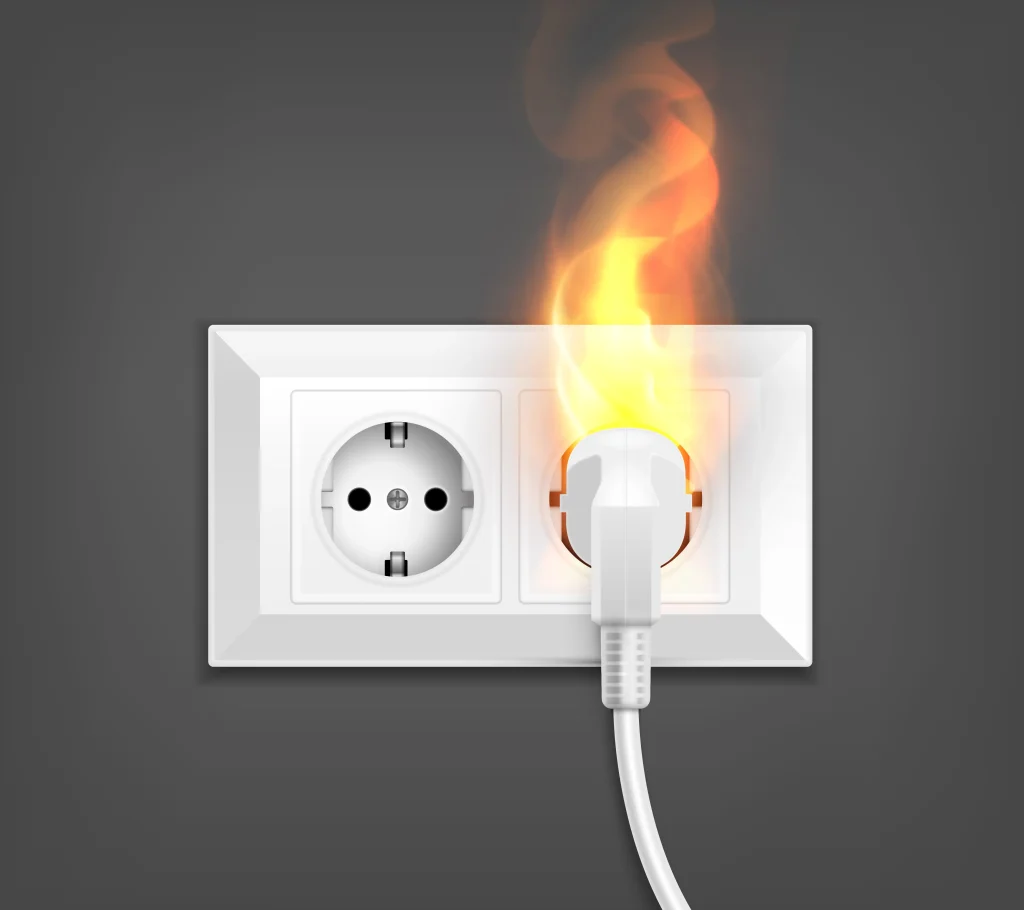
A short circuit is a serious electrical fault and must be addressed immediately to avoid endangering your home.
Because, it will lead to electrical shock, electrocution, or fire. These hazards can cause severe injury, even death.
Therefore, the primary thing to do is switch off the power supply before taking any action. Wearing safety gloves is recommended, but if you are not confident, just call Sydney Expert Electricians for immediate action.
Fully understanding the short circuit is highly important. That’s why understanding the different types can help you identify and prevent electrical issues.
A normal short circuit occurs when a powered or hot wire touches a neutral wire. After that, the resistance immediately drops, and the current begins to move in another path.
Different from the normal short circuit, the ground fault occurs after a powered or hot wire touches a grounded section. Specifically, the grounded section of a box, device, appliance, outlet, bare ground wire, or anything else supplied by the electrical circuit.
The arc short circuit is caused by electricity jumping from one wire to another through the air. This usually occurs due to a wire breaking and blowing apart, or a wire melting.
A short circuit can be identified through certain conditions as follows:
During the daily activities, suddenly, everything is off. Lights, TV, computer, outlets, and anything else on that circuit will instantly shut down.
Circuit breakers typically trip when a short circuit occurs. In older homes, fuses may blow. This is a common reason why devices power down.
Bad smells (similar to a burned item) and strange sounds are also included as signs of a short circuit.
What if a short circuit happens at your house? No need to worry, because you can fix it by yourself. We will guide you through these steps to fix a short circuit and prevent the worst from happening.
This is the most crucial step. Switch off the circuit breaker or remove the fuse controlling the affected area.
After switching off, please do these steps:
These steps will isolate the problem and prevent further damage.
After turning off the power supply, check your electrical devices and wiring. It may show the signs as follows:
Have you found the root cause? Now let’s repair or replace the damaged components. But the final decision will depend on the extent of the damage.
When the wire is frayed or damaged, you may be able to repair it. You can strip and join the wires, securely insulate the repair, and test the fix to ensure safety and proper functionality.
If you are unable to safely fix it, just call the professional team to take immediate action. You may utilise Sydney Expert Electricians, who are the perfect choice to handle your electrical circuit.
For severe damage, replacement of wiring or components may be required. Our team can supply and install new, compliant parts.
Also Read: How to Reset a Safety Switch
Do you still want to know more about short circuits? Let’s jump through the answers below:
Due to its serious risks, prevention will always be the greatest option. Put it in your weekly or monthly agenda by doing these steps:
Common signs of a short circuit include:
frequently tripping circuit breakers
These symptoms usually indicate overheated wires or faulty connections.
A short circuit may happen anytime. But when it occurs, please do not panic. First, identify the problem area, then turn off the power and inspect the wiring.
After that, you can repair or replace the damaged components. You may also use a multimeter and a circuit breaker to fix the issue.
Now you understand what a short circuit is and why it poses serious risks. With the information above, you can better identify warning signs and take safe steps to address the issue.
If you notice burning odours, unusual sounds, or sudden power loss, switch off the supply immediately and inspect the area. Determine whether repair or replacement is necessary.
For safer and more reliable action, contact Sydney Expert Electricians. Our experienced team can inspect your home thoroughly and provide an effective solution.
We welcome you to explore our services and reach out for professional support anytime. Please go to this page!
What our customers in Sydney say about us
Marcie McConville

David and Luca started working as soon as they checked what work needed to be done. They were hard working, very professional and delightful young men. I am very happy with the work that was done and highly recommend them.
David Coorey
Best electricians i have ever dealt with, well presented, knowledgeable found and fix our fault in a timely manner and at an extremely reasonable price.
Zaryab khan
With more than ten years of expertise, dependable and effective. Consumers value their competitive pricing and timely, amiable service.