


Fast, Same Day Response


Fast, Same Day Response



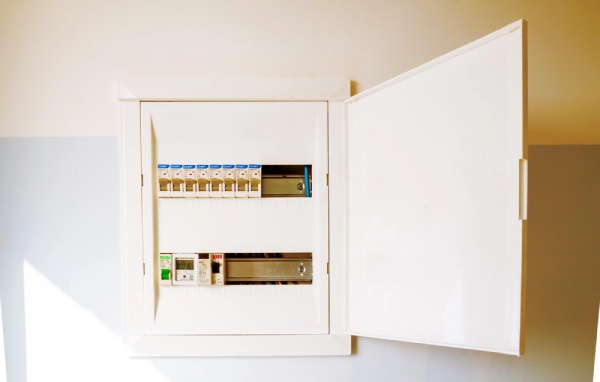
When power trips unexpectedly, most people blame the switchboard without knowing what actually caused it.
That confusion becomes even more common during a switchboard upgrade and safety switch installation, where both devices sit side by side but serve different purposes.
Since each one reacts to a different type of fault, understanding the distinction will strengthen your overall electrical planning. With that in mind, let’s get straight to it.
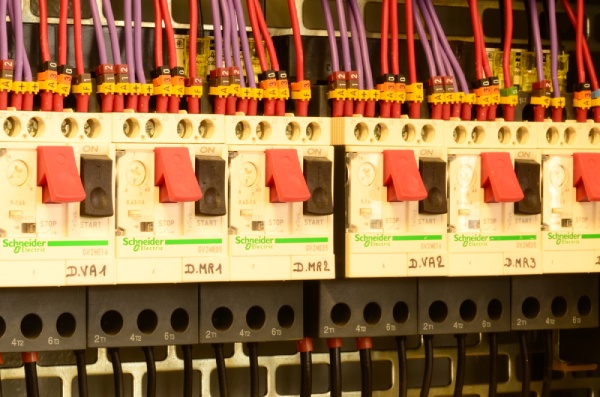
Before comparing them side by side, let’s define each device clearly.
If you’ve ever asked, what is a safety switch (RCD), here’s the simple version.
It’s a protective device that cuts power the instant it detects electricity leaking to earth. It also constantly checks the balance between active and neutral conductors.
Even a small imbalance, such as current passing through a person, triggers disconnection within milliseconds. Installed in the switchboard, it includes a test button for routine checks.
By contrast, a circuit breaker is an automatic switch designed to protect wiring from overload and short circuit faults.
It monitors how much current flows through a circuit. When the load exceeds the safe rating or a short circuit causes a sudden surge, it trips to prevent overheating and potential fire risk.
Before diving into the specifics, let’s look at how these two devices differ in action.
On one hand, a safety switch reacts to imbalance in electrical flow. Even a small leak to earth causes immediate disconnection.
On the other hand, a circuit breaker responds to excessive current. Overload or a short circuit activates its internal mechanism and cuts power.
For maintenance purposes, a safety switch includes a built-in test button that should be pressed periodically.
In comparison, a circuit breaker does not feature a dedicated test button, though manual switching and professional inspection confirm proper operation.
Above all, a safety switch protects people from electric shock.
Meanwhile, a circuit breaker protects cables and wiring systems from overheating and electrical fire risks.
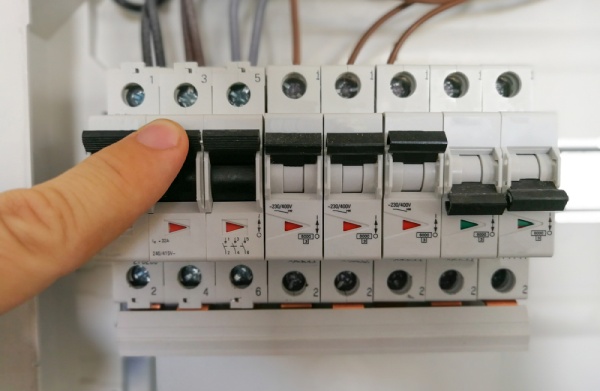
A circuit breaker is an automatic electrical switch designed to protect wiring and connected systems from damage caused by excessive current.
It continuously monitors how much current flows through a circuit. Once the load exceeds the safe rating or a short circuit creates a sudden surge, the breaker trips and interrupts power.
Inside the device, two internal mechanisms manage fault response:
Circuit breakers are typically installed inside the main switchboard of a home or commercial building, where each breaker protects a specific circuit such as lighting, power outlets, or major appliances.
In larger facilities, they may also be found in distribution boards that manage multiple zones of electrical supply.
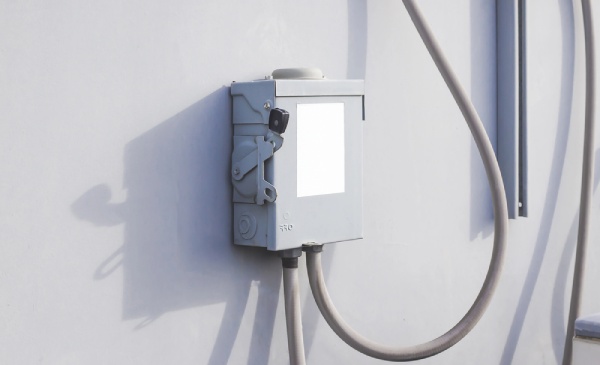
If you’ve ever asked what a safety switch (RCD) is, it’s a protective device designed to disconnect power the moment electricity leaks to earth.
Unlike a circuit breaker, which monitors current load, a safety switch constantly checks the balance between active and neutral conductors.
When electricity flows normally, both currents remain equal. The instant an imbalance occurs, such as current passing through a person, the device disconnects power within milliseconds.
Safety switches are installed in the switchboard to protect individual circuits or groups of circuits. Portable versions are also used for tools and temporary equipment, especially in construction or outdoor environments.
Key features include:
As mentioned briefly in the previous section, the primary purpose of a safety switch is personal protection. Its rapid disconnection significantly reduces the risk of electric shock and serious injury during fault conditions.
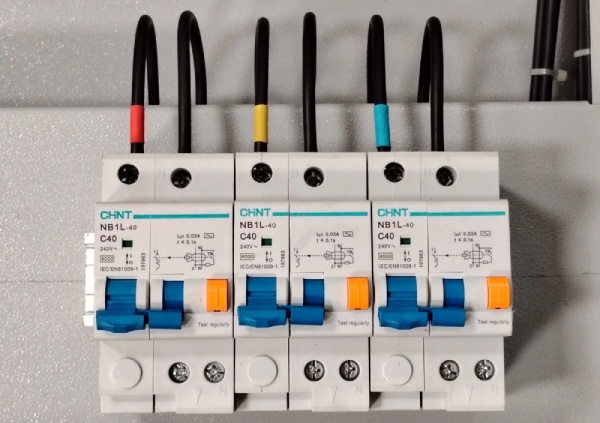
So, is one device enough, or should both be installed in the same switchboard?
In Australia, new homes and many renovations require at least one safety switch. Regulators also recommend installing protection across all circuits, including high load appliances such as air conditioning.
For complete circuit protection, both a circuit breaker and a safety switch are used within the same system.
As discussed earlier, each device addresses a different risk. One focuses on personal protection during earth leakage.
The other safeguards wiring from overload and short circuit faults. Used side by side, they create comprehensive protection across the installation.
That distinction becomes particularly relevant when a safety switch keeps tripping. In many cases, the issue relates to earth leakage rather than overload.
Understanding which device has disconnected the circuit provides valuable direction before further inspection.
In some switchboards, these two protective functions appear as a single unit called an RCBO. The term stands for residual current circuit breaker with overload protection.
An RCBO performs two critical functions in one device:
This configuration combines safety switch protection with circuit breaker installation at the individual line level. Each section of the switchboard operates with its own dedicated protection.
When a fault occurs on one line, only that affected section disconnects, and the rest of the installation continues operating without interruption.
Before wrapping up, here are clear answers to the most common questions homeowners raise about these two protective devices.
No. A safety switch (RCD) protects people by disconnecting power when it detects electricity leaking to earth, even in very small amounts.
Meanwhile, a circuit breaker protects wiring and electrical systems from overload and short circuit faults. It trips only when current exceeds safe limits.
This typically means there is earth leakage rather than excessive current. A safety switch detects tiny imbalances caused by damaged appliances, moisture, or insulation faults.
Because the current may not exceed the breaker’s rating, the circuit breaker stays on while the safety switch disconnects power for personal protection.
No. In Australia, fixed electrical wiring work, including switchboard components, must be completed by a licensed electrician.
Attempting replacement without proper licensing exposes you to electrocution, fire risk, insurance issues, and legal penalties.
For compliant and safe installation, contact our licensed electricians for professional assistance.
Understanding circuit breaker vs safety switch equips you to plan protection with confidence. One device guards people from electric shock. The other safeguards wiring from overload and short circuit faults.
When installed correctly, they form a complete protection system within your switchboard and align with current Australian safety requirements.
Ready to review your setup or plan an upgrade? Reach out to Sydney Expert Electrician and speak directly with our team!
What our customers in Sydney say about us
Marcie McConville

David and Luca started working as soon as they checked what work needed to be done. They were hard working, very professional and delightful young men. I am very happy with the work that was done and highly recommend them.
David Coorey
Best electricians i have ever dealt with, well presented, knowledgeable found and fix our fault in a timely manner and at an extremely reasonable price.
Zaryab khan
With more than ten years of expertise, dependable and effective. Consumers value their competitive pricing and timely, amiable service.